
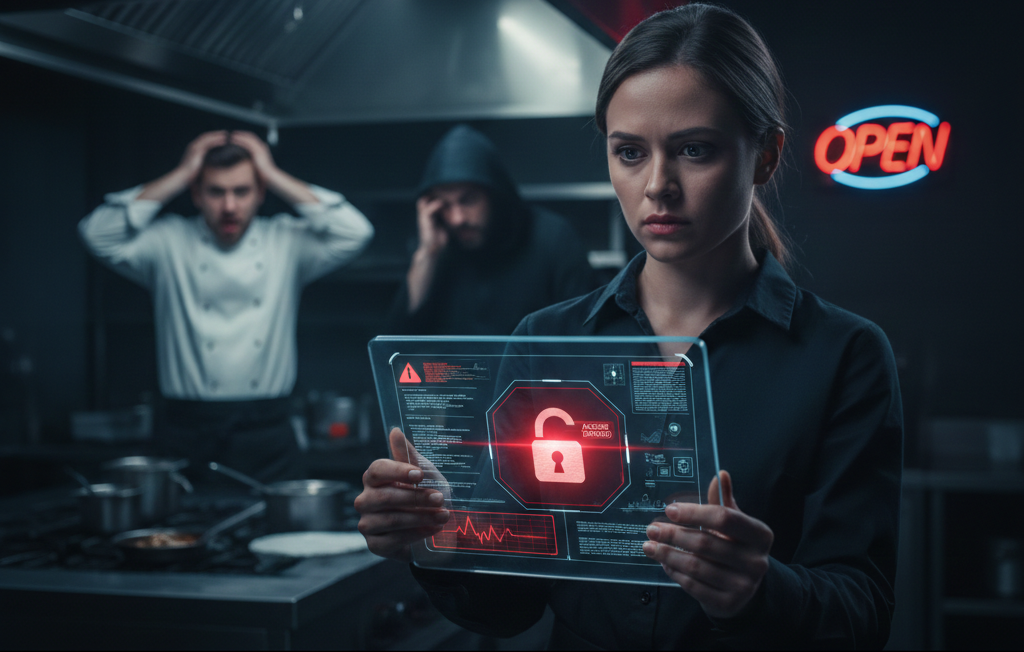
In an era defined by digital transformation, the independent restaurant, once a bastion of tangible transactions and personal interactions, now operates on a sprawling network of interconnected technologies. From cloud-based Point-of-Sale (POS) systems and digital reservation platforms to online ordering portals and sophisticated inventory management software, technology has become the indispensable backbone of modern culinary operations. While these advancements undeniably enhance efficiency, customer experience and profitability, they also usher in a critical vulnerability that many independent operators are ill-equipped to address: cybersecurity.
The perception that cyber threats are reserved for large corporations or government entities is a dangerous misconception. In reality, small and medium-sized businesses (SMBs), including independent restaurants, are increasingly attractive targets for cybercriminals. Their often less robust security infrastructure, coupled with the wealth of sensitive data they handle – customer credit card information, employee personal details, sales figures and proprietary recipes – makes them prime targets. A single breach can be catastrophic, leading to severe financial losses, irreparable damage to reputation and potential legal repercussions.
The Evolving Threat Landscape: Why Restaurants are Vulnerable
The independent restaurant’s unique operational model presents several cybersecurity challenges:
- Reliance on third-party vendors: Many restaurants depend on a complex ecosystem of third-party software and service providers (POS, online delivery platforms, payment processors). Each vendor represents a potential entry point for attackers if their own security protocols are lax. A breach in one of these partners can cascade down to your operation.
- High employee turnover: The transient nature of restaurant employment means a constant churn of staff with varying levels of digital literacy. Inadequate training or a lack of strict access controls can lead to vulnerabilities, whether through accidental data exposure or, in rare cases, malicious insider activity.
- Outdated technology and patching: Budget constraints often mean that hardware and software upgrades are delayed. Running outdated operating systems or unpatched applications leaves known vulnerabilities open for exploitation.
- Wi-Fi networks: Customer-facing Wi-Fi, while a convenience, can be a gateway for attackers if not properly segregated from the restaurant’s internal network. Unsecured employee Wi-Fi can also expose internal systems.
- “Set it and forget it” mentality: Many operators, overwhelmed by daily tasks, configure their systems once and rarely review their security settings or practices. This passive approach is a recipe for disaster in the face of rapidly evolving threats.
Common Cyber Threats Targeting Restaurants
Understanding the enemy is the first step toward defense. Restaurant operators should be aware of:
- Phishing and social engineering: These tactics involve tricking employees into revealing sensitive information (passwords, bank details) or downloading malicious software through deceptive emails, texts or calls. A common scenario involves an email seemingly from a vendor or a senior manager requesting urgent financial transfers or system credentials.
- Malware and ransomware: Malicious software designed to disrupt operations, steal data or encrypt systems until a ransom is paid. POS systems are particularly vulnerable to malware that skims credit card data. Ransomware attacks can halt all digital operations, crippling a restaurant during peak hours.
- POS system breaches: The point of sale is a critical juncture for sensitive customer data. Attackers often target POS terminals to capture credit card numbers and other personal information. The PCI Security Standards Council provides essential guidelines for securing payment data and all restaurants accepting card payments must comply.
- Denial-of-service (DoS) attacks: While less common for independent restaurants, these attacks flood a server with traffic to make a website or online ordering system unavailable, disrupting business.
Implementing a Robust Cybersecurity Strategy: Practical Steps
For independent restaurants, a comprehensive cybersecurity strategy doesn’t require a dedicated IT department but does demand diligence and adherence to best practices.
- Educate and train your staff: Your employees are your first line of defense. Regular, mandatory training on cybersecurity best practices – how to spot phishing emails, the importance of strong passwords and proper data handling – is paramount. Emphasize that security is everyone’s responsibility. This is a crucial element of any sound security plan.
- Strong password policies and multi-factor authentication (MFA): Enforce complex, unique passwords for all systems (POS, booking, email, administrative logins). Implement MFA wherever possible, requiring a second form of verification (e.g., a code from a phone app) in addition to a password. This dramatically reduces the risk of unauthorized access.
- Secure your POS system and payment data:
- PCI DSS compliance: Ensure your payment processing systems comply with the Payment Card Industry Data Security Standard (PCI DSS). While the full scope can seem daunting, independent operators primarily need to ensure their POS vendor is compliant and that internal practices align with secure data handling.
- Network segmentation: Isolate your POS network from your guest Wi-Fi and even your administrative network. This containment limits the damage if one segment is compromised.
- Regular software updates: Keep your POS software and all related applications patched and updated.
- Physical security: Secure POS terminals physically to prevent tampering.
- Network security:
- Firewalls: Implement and configure firewalls to monitor and control incoming and outgoing network traffic.
- Guest Wi-Fi isolation: Provide a separate, isolated guest Wi-Fi network that is completely segmented from your internal business network. This prevents customers’ devices from being used as entry points.
- Strong encryption: Ensure all wireless networks use strong encryption protocols (WPA2 or WPA3).
- Regular data backups: Implement a consistent and automated backup strategy for all critical data (reservations, sales reports, employee records). Store backups securely, preferably both on-site (offline) and off-site (cloud-based, encrypted). In the event of a ransomware attack or system failure, a recent backup can be the difference between recovery and ruin.
- Incident response plan: Despite best efforts, breaches can occur. Having a clear, documented plan for what to do if a security incident happens is vital. The National Cyber Security Centre offers useful advice on developing an incident response plan. The key elements of an incident response plan are
- Who to contact (IT support, legal counsel, payment processor).
- Steps to contain the breach.
- How to communicate with customers and authorities, if necessary.
- Steps for recovery and post-incident analysis.
- Consider cyber insurance: Just as you insure against property damage or liability, cyber insurance can provide a financial safety net in the event of a breach. It can cover costs associated with data recovery, legal fees, notification expenses and reputational damage.
- Professional guidance: If in doubt, consult with cybersecurity professionals specializing in SMBs. Even a one-time audit or consultation can identify critical vulnerabilities and provide actionable recommendations. Resources like the U.S. Small Business Administration’s cybersecurity guide offer valuable starting points.
The Imperative of Vigilance
The digital kitchen, while efficient, demands constant vigilance. Cybersecurity for the independent restaurant is not a one-time project but an ongoing commitment. By proactively investing in staff training, robust technologies and clear protocols, independent operators can significantly reduce their risk profile. In an industry where trust and reputation are paramount, safeguarding your digital assets is as crucial as perfecting your signature dish. The future of your restaurant may very well depend on the strength of your digital defenses.