
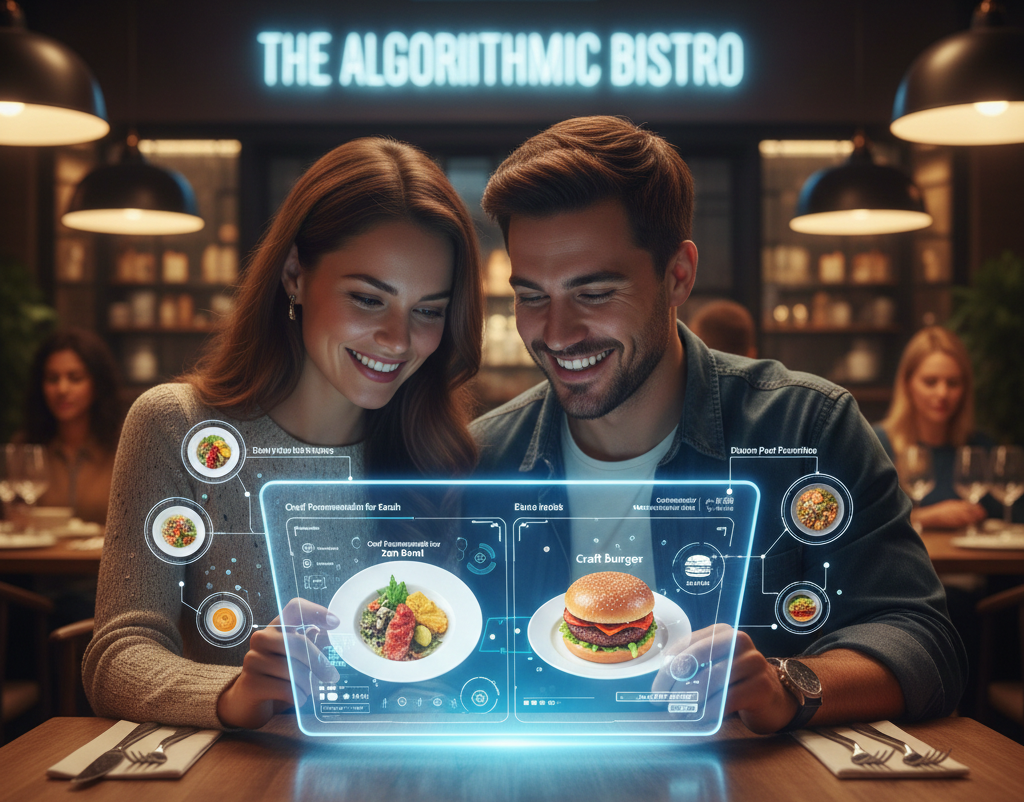
Let’s be honest: the days of the massive, laminated six-page menu are numbered. You know the ones, where a guest has to play a game of “Where’s Waldo” just to find a gluten-free appetizer. In 2026, the industry is moving away from the static “everyone sees everything” approach toward something much cooler (and way more profitable): hyper-personalization.
If you’ve ever browsed Netflix and felt like it “just knew” you wanted to watch a 90s rom-com on a Tuesday night, you’ve experienced hyper-personalization. Now, that same technology is walking through your front door. It’s no longer just about addressing a guest by their first name in an email; it’s about serving them a digital menu that is literally built for them.
Why “One-Size-Fits-All” is Costing You Money
When you give every guest the same menu, you’re creating decision fatigue. A diner who has to sift through thirty items they can’t eat (because of allergies or diet) is a frustrated diner. Frustrated diners order less, tip less and are less likely to come back.
Hyper-personalization flips the script. By using data – like past order history, dietary tags and even the current weather – you can highlight exactly what that specific guest is likely to love. According to industry insights from IBM on Hyper-personalization, this proactive approach creates an emotional connection that turns a one-time visitor into a lifelong regular.
The Magic of the “Dynamic” Menu
So, how does this actually work in a restaurant? Imagine a guest – let’s call her Sarah – opens your app or scans a QR code at the table.
- The dietary filter: Sarah is vegan. Instead of her looking for the tiny “V” icon next to two dishes, the AI recognizes her profile and puts the plant-based entrees at the very top.
- The weather pivot: It’s a blistering 95-degree day in July. The AI suppresses the heavy beef stew and moves the chilled gazpacho and crisp salads to the “Featured” section.
- The “last time you were here” nudge: The system remembers Sarah loved the Spicy Margarita last month. It offers her a “welcome back” special: a Spicy Margarita with a new seasonal twist.
This isn’t just “nice to have.” Real-world data shows that restaurants using these tailored experiences can see a 10% to 15% revenue uplift, as noted in this whitepaper on 2026 Restaurant Trends.
Hyper-Personalization Use Cases
If you’re wondering where to start, here are three ways to put the “personal” back in your hospitality:
- Smart loyalty tiers: Move beyond “Buy 10, Get 1 Free.” Offer rewards that match the guest’s behavior. If a guest only ever comes in for Tuesday lunch, send them a personalized “Double Points Tuesday” invite rather than a weekend dinner coupon they’ll never use.
- The “Amazon” upsell: When a guest adds a burger to their digital cart, don’t just ask “Want fries?” Ask, “We know you usually like our Truffle Aioli, want to add it for $1?”
- Predictive reordering: Use your app to send a push notification on Friday at 6:00 PM to your regulars: “Hey Mark, ready for your usual Pepperoni Pizza? Click here to have it ready in 20 minutes.”
Is It Too “Creepy”? (The Trust Factor)
A common concern for managers is whether guests will feel “watched.” The secret is transparency and value. Guests are generally happy to share their preferences if it means a better experience. Just like they share their location with Uber for a faster ride, they’ll share their “no cilantro” preference if it means they never have to send a dish back again.
Starting Small: Your 3-Step Plan
You don’t need a Silicon Valley budget to start.
- Tag your menu: Start adding dietary tags (Vegan, GF, Keto, High Protein) to your POS items.
- Unify your data: Ensure your reservation system (like OpenTable) “talks” to your POS. If a guest mentions an anniversary in their booking, that should pop up on the server’s handheld when they open the check.
- Leverage your app: If you have a loyalty app, start using the basic “Recommended for You” features.
The “One-Size-Fits-All” menu is dying because guests no longer want to be “Table 4”, they want to be Sarah. By embracing hyper-personalization, you aren’t just selling food; you’re selling the feeling that you were waiting just for them.