
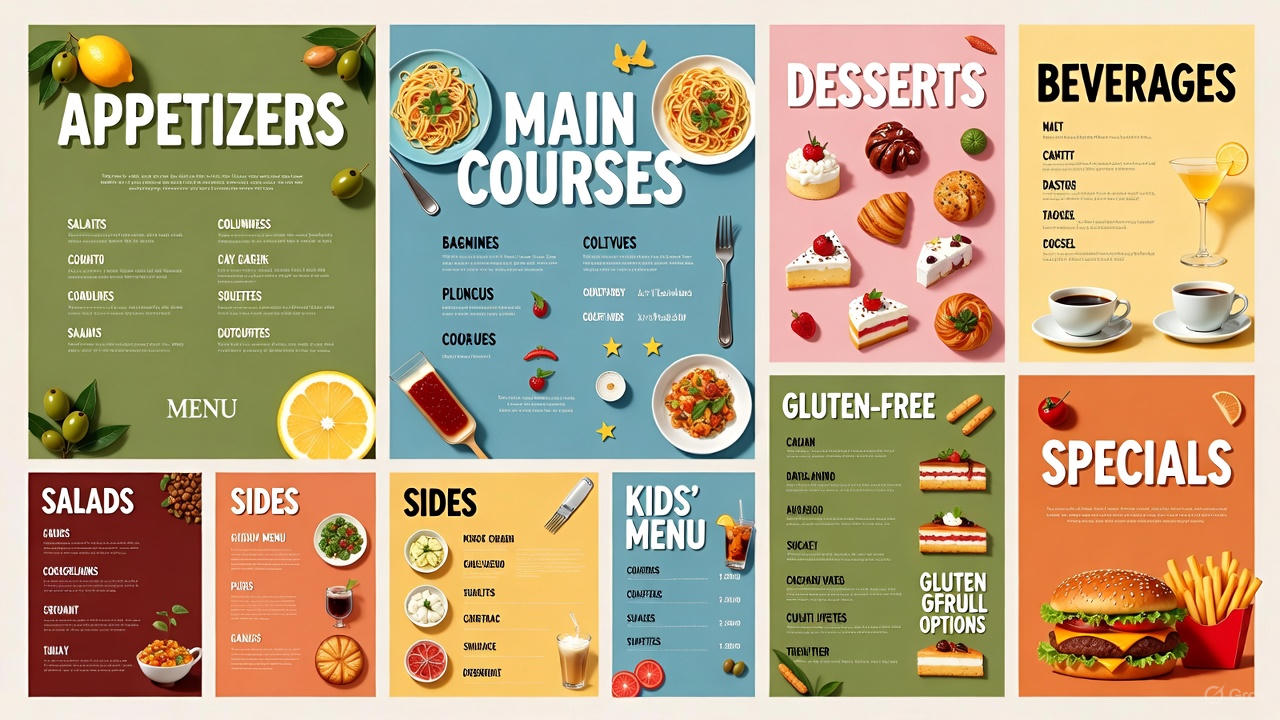
In the restaurant world, pricing isn’t just about covering costs – it’s about shaping perception. The way prices are presented on a menu can dramatically influence what guests choose, how much they spend and how satisfied they feel afterward. Welcome to the subtle art of menu psychology, where design meets consumer behavior to maximize check averages without increasing costs.
Whether you’re running a fine-dining establishment or a fast-casual concept, understanding the psychological triggers behind menu pricing can help you engineer a menu that feels indulgent, fair and irresistible.
Decoy Pricing: The Power of Strategic Contrast
Decoy pricing is one of the most effective tools in the menu engineer’s toolkit. It works by placing a high-priced item next to a slightly less expensive – but still premium – option. The goal? Make the second item look like a better deal by comparison.
Example:
If your menu features a $65 dry-aged ribeye and a $42 New York strip, the ribeye acts as a decoy. Most guests will opt for the strip, perceiving it as high-value without feeling like they’ve splurged. The ribeye may not sell often, but its presence boosts the perceived value of the strip.
Sweet Spots: Where Eyes Land First
Menu layout matters. Research shows that diners tend to focus on specific areas of a menu – typically the top right corner and the center of the page. These are known as “sweet spots” and they’re prime real estate for your most profitable dishes.
Actionable Tip:
Place high-margin items in these visual hotspots. Use subtle boxes, bold fonts or tasteful shading to draw attention without overwhelming the design. Avoid cluttering these areas with too many options – simplicity sells.
Remove the Dollar Signs
It may seem counterintuitive, but removing dollar signs from your menu can increase spending. Why? Because dollar signs remind guests they’re spending money. Without them, prices feel less transactional and more experiential.
Example:
Instead of listing “$18,” try “18” or “Eighteen.” This subtle shift reduces price sensitivity and encourages guests to focus on the dish itself rather than its cost.
Descriptive Language: Sell the Story, Not Just the Dish
Words matter. Descriptive, evocative language can elevate a dish’s perceived value and justify its price—without changing the ingredients.
Compare these two descriptions:
- “Grilled salmon with vegetables”
- “Cedar-planked wild salmon, flame-grilled and served with seasonal heirloom vegetables”
The second version paints a picture, evokes emotion and suggests craftsmanship. Guests are more likely to pay a premium for dishes that sound artisanal, local or chef-driven.
Actionable Tip:
Use sensory words (crispy, velvety, aromatic), origin cues (locally sourced, imported), and preparation techniques (hand-rolled, slow-roasted) to enhance perceived value. Just be sure the language matches the actual experience, overpromising can backfire.
Bundle Smartly, Anchor Wisely
Beyond individual items, consider how bundles and anchors shape perception. Prix fixe menus, tasting flights and combo deals can increase spend while offering guests a sense of value.
Anchoring involves placing a high-priced item at the top of a category to set a mental benchmark. Everything below it feels more affordable by comparison.
Example:
Start your wine list with a $150 bottle. Even if it rarely sells, it makes the $65 bottle seem like a steal.
Final Thoughts: Profitability Meets Psychology
Optimizing menu pricing isn’t about tricking guests; it’s about guiding them toward choices that feel satisfying and worthwhile. By leveraging psychological cues, strategic layout and evocative language, you can increase perceived value, boost check averages and enhance the overall dining experience.
Here’s a quick recap of actionable strategies:
- Use decoy pricing to steer guests toward profitable choices.
- Place high-margin items in menu sweet spots.
- Remove dollar signs to reduce price sensitivity.
- Craft descriptive language that elevates perceived value.
- Apply anchoring and bundling to shape spending behavior.
In a competitive landscape, smart pricing isn’t just a tactic, it’s a necessity. With these tools, you can turn your menu into a silent salesperson that works 24/7.