
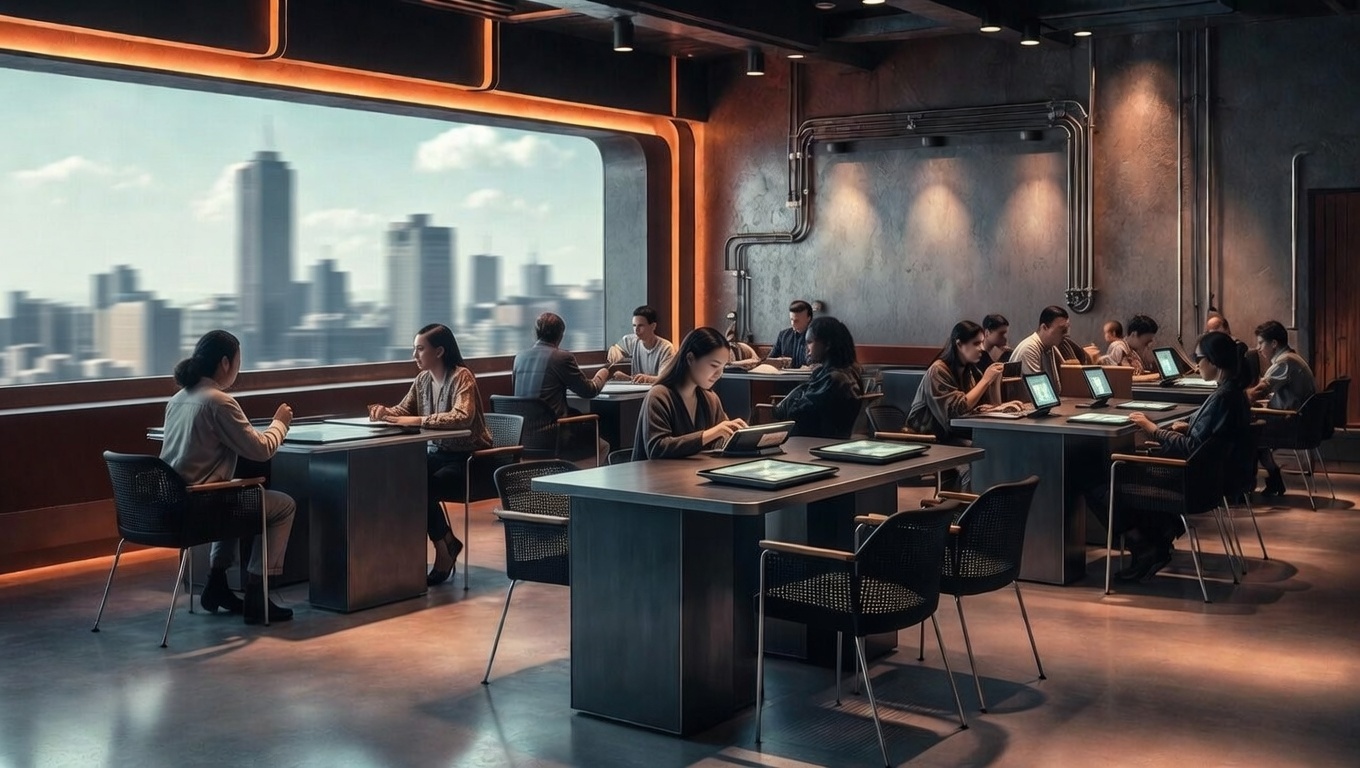
Walk into a modern quick-service or casual dining restaurant today and chances are you’ll spot sleek kiosks or tabletop tablets glowing invitingly. Once upon a time, these devices were simply digital order-takers – functional, efficient, but not exactly thrilling. Fast forward to 2026 and they’ve evolved into Smart Kiosks 2.0: entertainment hubs, instant feedback loops and subtle sales engines that are reshaping the dining experience.
Let’s dig into why this “phygital” (physical + digital) revolution matters for restaurant operators and managers, and how you can harness it to delight guests and grow your bottom line.
From Ordering Machines to Entertainment Hubs
The first wave of kiosks was all about speed. Customers could skip the line, tap their order and move on. But today’s diners expect more than efficiency. They want engagement.
- Tabletop tablets now double as entertainment centers. Think trivia games for families waiting on their food or interactive wine pairings for couples on date night. Chili’s famously experimented with Ziosk tablets, letting guests play games for a small fee while waiting for their meal. The result? Kids stayed entertained, parents stayed relaxed and the restaurant pocketed extra revenue.
- Smart kiosks integrate loyalty programs. Guests can log in, track points and even receive personalized upsell suggestions. Imagine a screen nudging a loyal burger fan toward the new truffle fries – subtle, but effective.
- Instant feedback loops. Instead of waiting for a paper survey or a mystery shopper, kiosks now prompt diners to rate their experience in real time. That data flows straight to managers, who can act immediately if something’s off.
This isn’t just tech for tech’s sake. It’s hospitality amplified through digital touchpoints.
The Revenue Boost: Visual Upselling Works
Here’s the stat that should make every operator sit up: restaurants using AI-powered kiosks typically see check sizes increase by 20-35%. Why? Because visuals sell.
- A server might suggest dessert, but a kiosk shows a mouthwatering photo of molten lava cake, complete with steam rising. Suddenly, resistance melts.
- AI-powered kiosks can recommend add-ons based on what’s already in the cart. Order a burger? The screen nudges you toward bacon or avocado. Research shows some operators see even higher gains – up to 35% in certain cases .
- Upselling feels less pushy when it’s digital. Guests don’t feel pressured by a human; they feel tempted by a glossy image.
For managers, this means kiosks aren’t just operational tools, they’re silent salespeople working 24/7.
Real-Time Feedback: The Manager’s Secret Weapon
One of the most underrated features of Smart Kiosks 2.0 is their ability to capture guest sentiment instantly.
- Micro-surveys at checkout. A quick “How was your meal?” with emoji faces gives managers a pulse check.
- Alerts for negative feedback. If a guest reports a poor experience, managers can intervene before they leave, turning a potential bad review into a recovery moment.
- Data dashboards. Over time, kiosks build a treasure trove of insights: which menu items get rave reviews, which staff shifts correlate with higher satisfaction and where upselling works best.
This feedback loop is gold for operators who want to stay agile and responsive.
Case in Point: The QSR Boom
Quick-service restaurants (QSRs) have been the early adopters of phygital dining. Chains like McDonald’s and Taco Bell have rolled out kiosks nationwide, reporting faster service and higher check sizes. In fact, according to Starfleet Research, 63% of operators using handheld POS devices and kiosks report higher check sizes.
But it’s not just QSRs. Casual dining spots, coffee shops and even fine dining restaurants are experimenting with kiosks and tablets. Imagine a wine bar where guests can browse tasting notes, watch vineyard videos and order flights, all from a sleek tabletop screen.
Why Operators Should Care
So, why should you, as a restaurant operator or manager, embrace Smart Kiosks 2.0?
- Revenue growth. That 20–35% check size increase isn’t pocket change. It’s a game-changer for margins.
- Guest satisfaction. Entertainment and instant feedback reduce wait-time frustration and boost loyalty.
- Operational efficiency. Kiosks free up staff to focus on hospitality rather than order-taking.
- Future-proofing. Diners increasingly expect digital touchpoints. Ignoring kiosks risks making your restaurant feel outdated.
Getting Started: Practical Tips
If you’re considering kiosks or tablets, here are a few steps to make the transition smooth:
- Start small. Pilot kiosks at a few tables or one section of your restaurant.
- Focus on visuals. Invest in high-quality food photography – this is your upselling engine.
- Integrate loyalty. Make sure kiosks tie into your rewards program for maximum stickiness.
- Train staff. Position kiosks as partners, not replacements. Staff should encourage guests to explore them.
- Monitor feedback. Use the instant data to tweak operations and menu offerings.
The Phygital Future
Dining has always been about more than food. Dining is about experience. Smart Kiosks 2.0 are ushering in a new era where physical hospitality meets digital engagement, creating a seamless, memorable journey for guests.
For operators, the message is clear: kiosks aren’t just gadgets. They’re profit drivers, guest entertainers and feedback machines rolled into one. Ignore them and you risk leaving money – and loyalty – on the table.