
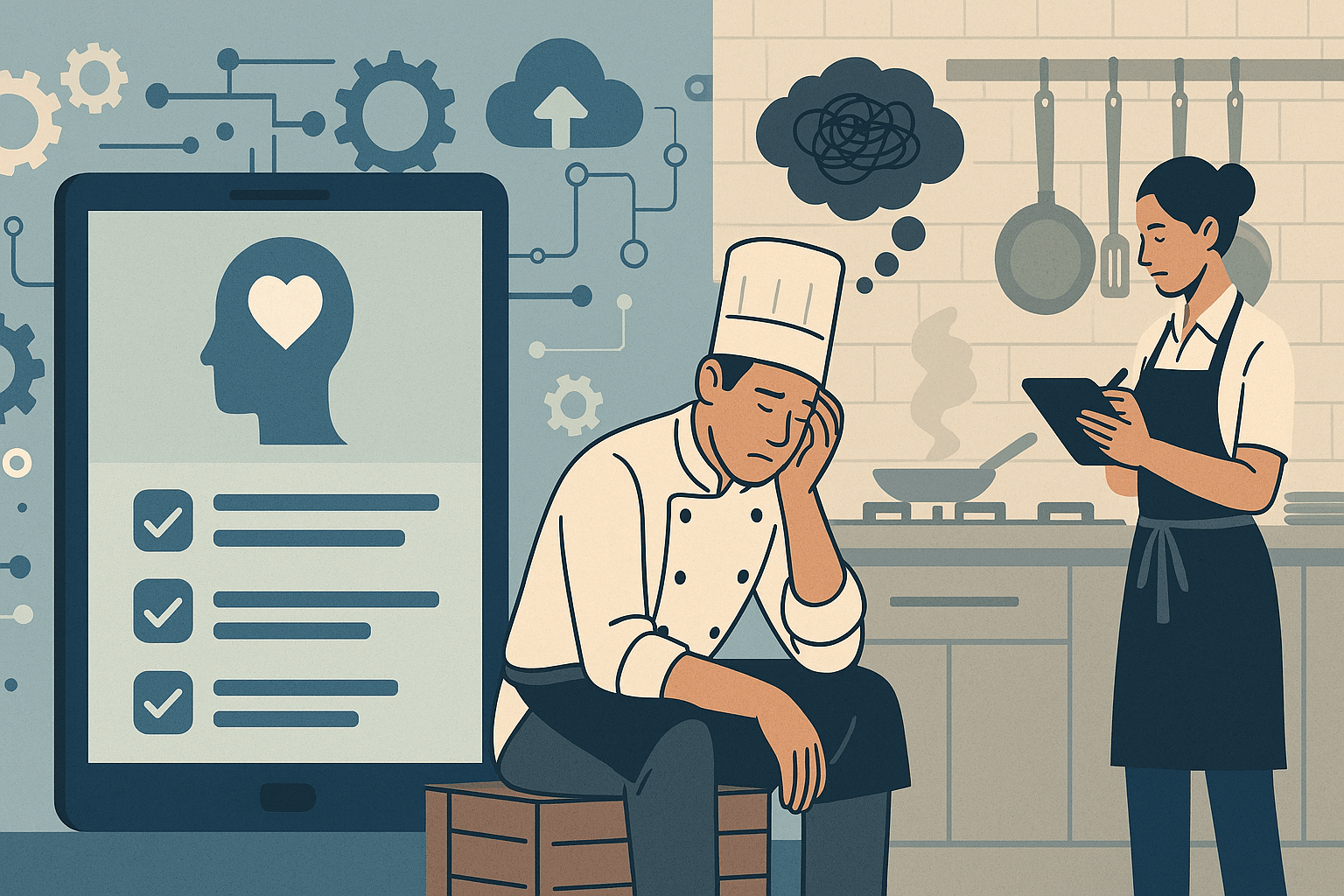
Let’s face it: working in a restaurant can be a grind. The rush of service, the demanding customers, the long hours and the constant pressure to perform can take a serious toll. For too long, the industry has accepted burnout as an inevitable part of the job. But in 2026, that narrative is finally shifting. We’re seeing the rise of the “Well-Tech” Revolution – using smart software not just to manage inventory or schedule shifts, but to actively support the mental and emotional well-being of your most valuable asset: your people.
This isn’t about expensive yoga retreats for your staff (though those are nice!). This is about proactive, data-driven solutions that help you identify stress points, prevent burnout and foster a healthier, happier work environment. Because a happy team isn’t just a nice idea; it’s the foundation of a thriving, profitable restaurant.
Beyond the Paycheck: What Staff Really Need
In a tight labor market, offering competitive wages is crucial, but it’s often not enough. Today’s hospitality professionals, especially younger generations, are looking for more. They want a workplace that values their well-being, offers flexibility and shows genuine care.
Traditional methods of gauging staff morale – like annual surveys or casual chats – often fall short. People might not be comfortable voicing their struggles directly to management for fear of repercussions. This is where “Well-Tech” steps in, creating a safe, anonymous space for feedback and offering actionable insights.
Unmasking Stress: Sentiment Analysis and Digital Check-ins
Imagine knowing the emotional pulse of your team without anyone having to say a word directly. That’s the power of sentiment analysis in modern restaurant tech. These platforms integrate with existing HR or scheduling software, allowing staff to quickly and anonymously log their “mood” or answer brief, targeted questions about their shift experience.
- How it works: After a shift, staff might get a quick notification: “How was your shift today? (Thumbs Up / Thumbs Down / Neutral)” or “What was your biggest challenge today?” with pre-set options like “Understaffed,” “Overwhelmed,” “Unclear Communication.”
- The benefit: This aggregate, anonymous data gives managers a real-time snapshot of morale. If 70% of your evening crew reports feeling “overwhelmed” on a Saturday, it’s a clear signal to investigate staffing levels, kitchen flow or specific training needs before that feeling turns into a resignation letter. Real-time tracking of staff fatigue can ease pressure points and smoothen the work experience.
These tools are becoming essential for taking the temperature of your team and making proactive adjustments. It moves you from reacting to problems after they explode, to gently course-correcting before they even simmer.
Smart Breaks & Dynamic Scheduling: The Science of Sustained Performance
One of the biggest culprits of burnout is the relentless, non-stop nature of peak service. When staff don’t get adequate breaks or feel constantly rushed, stress builds. “Well-Tech” is leveraging AI to optimize not just who is scheduled, but how their shifts flow.
- AI-driven break optimization: Instead of arbitrary break times, smart scheduling software can analyze real-time sales data and labor demands to suggest the optimal 15-minute window for each staff member to step away. It identifies natural lulls when their absence will have minimal impact on service, ensuring they get a true mental break.
- Dynamic task allocation: For example, if a server is repeatedly logging high stress levels, the system might subtly shift some of their side work to another team member who has indicated lower stress or recommend a slightly shorter shift for the next few days.
This kind of intelligent scheduling isn’t just about efficiency; it’s about building resilience into your operations. It recognizes that humans aren’t robots and that sustained performance requires strategic downtime.
Beyond the Back Office: Integrated Wellness Resources
“Well-Tech” also extends to providing accessible resources directly through staff apps:
- Anonymous reporting: Secure channels for reporting harassment, bullying or unsafe conditions without fear of retaliation.
- Mental health resources: Direct links to employee assistance programs (EAPs), mental health hotlines or stress-reduction exercises.
- Financial wellness tools: Access to early wage access programs, budgeting tools or financial counseling, as financial stress is a major contributor to overall burnout.
The ROI of Empathy: Why This Matters to Your Bottom Line
Investing in “Well-Tech” isn’t just the right thing to do, it’s a smart business decision.
- Reduced turnover: High turnover is incredibly expensive (recruitment, training, lost productivity). By creating a supportive environment, you retain your best talent longer.
- Increased productivity: Happier, less stressed employees are more engaged, more productive and provide better customer service.
- Improved reputation: Restaurants known for caring for their staff attract top talent and loyal customers.
- Lower absenteeism: Proactive stress management can lead to fewer sick days and more reliable attendance.
The restaurant industry has always been about taking care of guests. Now, with the “Well-Tech” revolution, it’s time to extend that same level of care and innovation to the people who make it all happen every single day, your employees. By embracing these tools, you’re not just investing in software; you’re investing in a more resilient, compassionate and ultimately more successful future for your restaurant.