
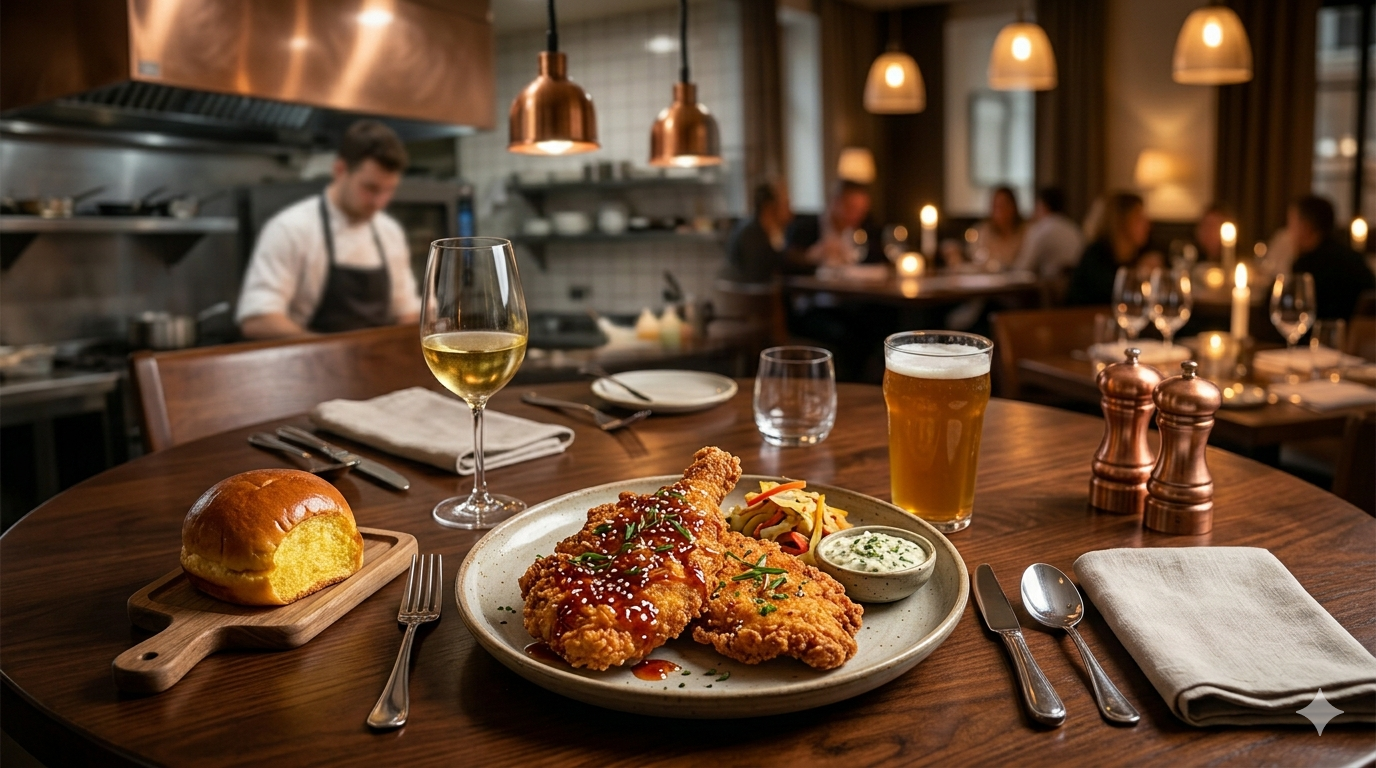
Remember the great Chicken Sandwich Wars? It feels like just yesterday we were watching major fast-food chains trade passive-aggressive tweets while customers practically fought in parking lots over fried poultry on a brioche bun. It was chaotic, it was viral and it proved one thing: people are fiercely obsessed with chicken.
But while the giant corporate chains are busy fighting over who has the thickest pickle slice, something fascinating is happening in the mid-scale, full-service and independent restaurant sectors. Chicken is flying the coop of basic fast food and landing squarely on premium menus as a high-margin culinary superstar.
Operators who used to relegate poultry to a token, uninspired “grilled chicken breast” at the bottom of the menu are suddenly treating it like a canvas for serious culinary innovation. Let’s dive into why premium chicken is dominating right now and how you can ride this wave straight to a healthier bottom line.
The Cost-of-Living Safe Haven
Running a restaurant right now feels like walking a tightrope over a pit of rising ingredient costs. Beef prices are historically volatile and high-end seafood can make your food-cost percentages look like a horror movie.
Enter chicken. It is inherently cost-effective to source, highly versatile and boasts an incredibly stable supply chain. But the real magic lies in its mass appeal.
When consumers are tightening their entertainment budgets, they look for predictable comfort when they dine out. As freshly dropped data from the Nation’s Restaurant News Top 500 report reveals, while legacy segments like burgers and pizza have hit a bit of a growth wall, chicken concepts continue to outpace the broader industry average. Consumers are actively trading down from expensive steaks to premium poultry options. They still want the luxury of dining out, but they want it at a psychological price point that doesn’t trigger financial guilt. For operators, that gap between a low cost of goods sold (COGS) and a premium menu price is where true profitability lives.
Texture is the New Flavor Profile
If you want to charge upwards of $24 for a chicken dish, you can’t just serve it plain. You have to engineer an experience and the modern way to do that is through extreme texture contrasts.
Diners are fiercely chasing crunch, snap and layers. This is precisely why Korean Fried Chicken (KFC — the other kind) is exploding on mid-scale menus.
The Guardian’s exploration of modern food culture highlights how culinary teams are moving away from heavy, thick, American-style batters and leaning into double-fried techniques using potato starch or tapioca flour. This creates a shatteringly crisp, paper-thin crust that holds its crunch even when drenched in a heavy glaze.
When you pair that intense crunch with a juicy, brined interior and an interactive element — like tableside saucing or a DIY wrap setup — you transform a basic protein into a premium, memorable event that guests are more than willing to pay a premium for.
The Global Sauce and Condiment Playground
Because chicken has a relatively neutral flavor profile, it serves as the ultimate vehicle for high-impact, global flavor trends. Right now, the culinary world is obsessed with “sweet-heat” and complex, savory emulsifiers.
Look at how you can elevate a standard chicken line by introducing trendy, low-cost condiment upgrades. Menu staples are getting massive value boosts from unexpected flavor twists, like pairing premium crispy chicken with spiked, herb-heavy tartar sauces, hot-honey infusions or nutty tahini glazes.
Consider these high-margin, low-labor pairings to elevate your poultry program:
- The Sweet-Heat Glaze: A drizzle of hot honey infused with smoked ghost peppers or local hot sauce transforms a standard chicken tender plate into a premium bar snack.
- The Umami Bomb: Brushing a crispy chicken thigh with a gochujang, garlic and brown sugar reduction commands a much higher menu price while utilizing basic back-of-house pantry staples.
- The Fusion Mashup: Tucking crispy fried chicken cutlets inside flaky, buttery South Indian paratha flatbreads with a zesty pickle slaw creates a viral-worthy lunch item with an incredible margin profile.
Maximizing the Whole Bird
To truly extract maximum margin from the premium chicken boom, independent operators need to move past buying pre-cut, skinless breasts. Buying whole birds or working closely with local suppliers to utilize undervalued cuts like thighs and wings can dramatically lower your prep costs.
Chicken thighs are a chef’s best friend: they are notoriously difficult to overcook, stay incredibly juicy under heat lamps and hold up beautifully to heavy spicing and frying. By utilizing the thighs for your signature crispy sandwiches, the breasts for an elevated rotisserie plate and the bones to build a rich, house-made jus or stock for your pasta dishes, you reduce food waste down to absolute zero.
Ruffling the Competition’s Feathers
At the end of the day, the premium chicken phenomenon is a masterclass in menu engineering. It proves that you don’t need exotic, hyper-expensive ingredients to create a high-value dining experience. You just need to take a familiar, universally loved staple, treat it with some chef-driven respect and layer it with incredible textures and bold, global flavors.
Take a good look at your current menu. If your chicken section feels like an uninspired safety net for picky eaters, it’s time to shake things up. Turn that bird into a high-margin hero and watch your bottom line soar.