
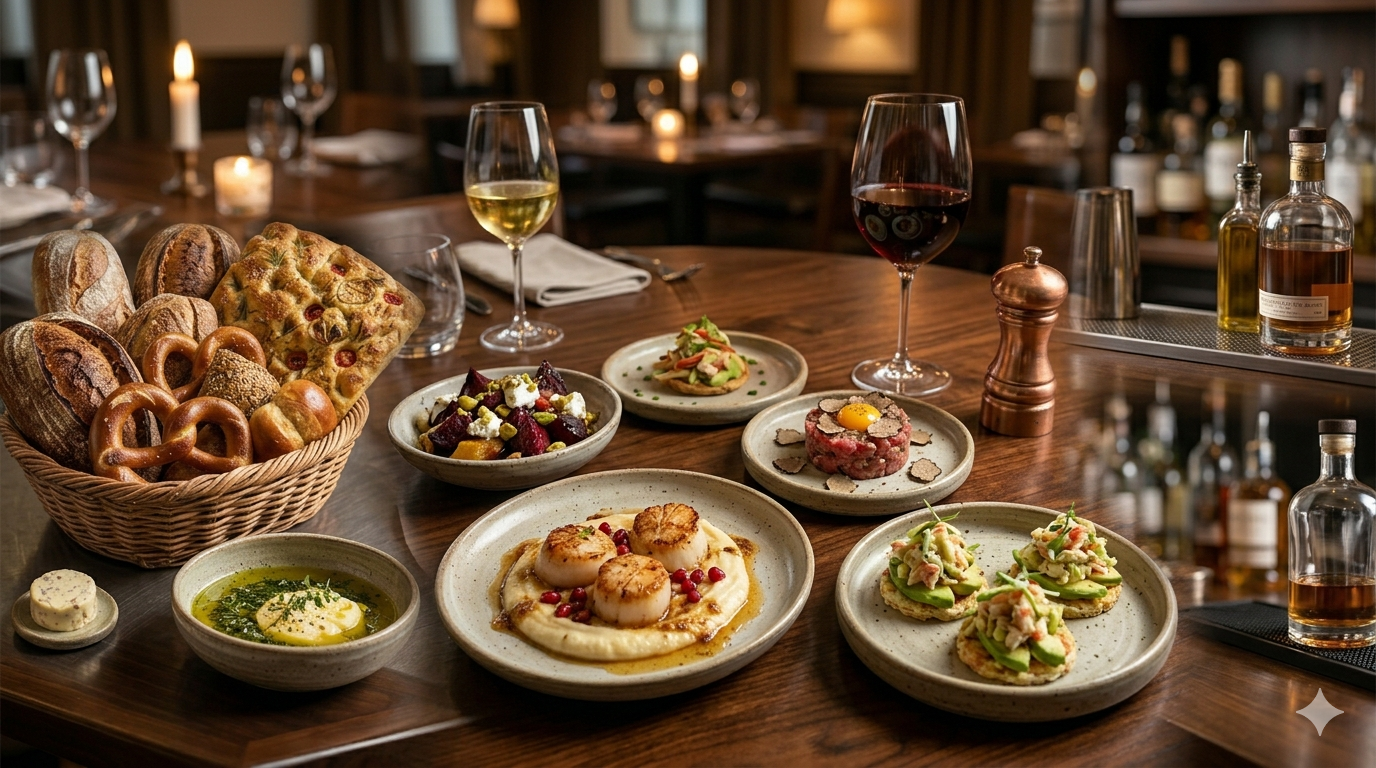
Let’s bypass the usual industry chatter for a moment. We all know what small plates are. We’ve seen the tapas revivals, the mezze platters and the classic “three items for $25” happy hour deals. If you’ve spent more than five minutes running a restaurant, you already know that shrinking a portion while keeping the price point relatively high is a great way to boost your food cost margins.
But something much deeper is shifting in consumer psychology. We are moving past the era where “small plates” just meant miniature versions of entrees. Today’s diners, particularly Gen Z and Millennials, are fundamentally restructuring how, when and why they eat out. They aren’t looking to graze on tiny portions of beef bourguignon; they are looking for high-intensity flavor experiences, flexible “snack-centric” dining windows and premium comfort that doesn’t trigger financial guilt.
If your menu still treats small plates as just an optional appetizer section, you’re missing out on a massive operational lever. Let’s look at the unexpected ways operators are rewiring portion dynamics to capture maximum spend.
1. The Death of the “Three-Course” Script
For decades, the standard restaurant playbook relied on a predictable script: appetizer, entree, dessert. But a tight economic environment has made guests incredibly protective of their wallets. When faced with a $38 entree, price-sensitive diners often pull back, opting for just a tap-water-and-single-main-course combo.
Smart operators are fighting this friction by turning their menus upside down. According to Birchall Foodservice’s look into food trends, successful restaurants are holding the prices of lower-cost dishes steady or making them highly accessible while using smarter menu engineering to protect margins.
When you replace intimidating, high-priced mains with a dynamic array of premium small plates, you change the psychology of the table. A guest might hesitate to spend $40 on one plate of food, but they will happily spend $52 on four different $13 plates over the course of ninety minutes. It feels like an affordable indulgence, but it secretly drives up the average check size.
2. Catering to the “Non-Meal” Grazing Windows
We are seeing a massive surge in what anthropologists call “functional intake with minimal friction.” Translation? The traditional lines between lunch, happy hour and dinner have completely blurred.
As highlighted by Tastewise’s 2026 consumer behavior data, snacking is actively replacing structured meals for younger demographics. Younger diners are increasingly visiting restaurants not for a formal dinner, but for flexible, spontaneous and social “grazing sessions” outside of peak kitchen hours.
To capture this revenue, forward-thinking managers are creating “High-Flavor, High-Margin” mid-afternoon and late-night menus. Think about high-velocity, low-labor items like:
- Whipped feta with hot honey and house-baked artisanal bread
- Smash-burger sliders with signature dipping sauces
- Gourmet, hyper-seasoned potato wedges or loaded fries
These items use low-cost plate builders (like bread, potatoes and high-impact sauces) to deliver incredible texture and cozy comfort, satisfying the guest’s craving for flavor without bogging down your kitchen staff with intense prep work.
3. High Texture, Low SKUs: Engineering the BOH Workflow
The trap most operators fall into when expanding their small-plates program is inventory bloat. If every new small plate requires three unique ingredients, your walk-in cooler turns into a logistical nightmare and your food waste sky-rockets.
The secret to a highly profitable small-plate strategy is cross-utilization with a focus on texture contrast. Modern diners care deeply about the sensory experience of a dish. Crunchy, creamy, layered and interactive formats are what drive repeat visits and viral social media moments.
Look at how you can use a single base ingredient across multiple smaller applications:
| Base Ingredient | Application A (Appetizer/Small Plate) | Application B (Bar Snack / Low-Labor Side) |
| Crispy pork belly | Glazed in hot honey, served over a creamy corn puree. | Cubed, deep-fried and tossed in a sweet-and-spicy seasoning salt as a standalone bar snack. |
| House-made focaccia | Served warm with an artisanal olive oil flight. | Cut into strips, toasted into garlic-herb batons and paired with a rich cheese dip. |
| Charred broccolini | Tossed in a vibrant citrus vinaigrette with toasted almonds. | Chopped finely into a cheesy, high-margin croquette or fritter. |
By keeping your ingredient list tight but changing the physical format, texture and sauce profiles, you give the illusion of massive variety while keeping your kitchen operations beautifully streamlined.
4. Flipping the Script on Value Perception
When consumers talk about “value” in today’s landscape, they aren’t necessarily looking for a mountain of cheap food piled high on a plate. Value has become synonymous with experience density.
According to data from Anuga on modern snacking shifts, a significant percentage of younger consumers utilize dining out as a way to relieve stress and seek out small moments of well-being. They want memorable, high-quality bites that they can’t easily replicate at home.
When you serve a giant plate of pasta, the first bite tastes incredible, but by the tenth bite, the palate gets tired. Small plates solve this problem naturally. Every single bite delivers a concentrated burst of flavor and texture, leaving the guest feeling emotionally satisfied and excited to order “just one more round.”
The Wrap-Up
Rethinking your portion dynamics isn’t about trying to trick your guests with smaller portions; it’s about meeting them exactly where they are. By offering a menu that embraces flexibility, prioritizes high-impact textures and heavily utilizes cross-functional ingredients, you give your guests the control they crave over their spending.
Take a look at your menu layout this week. Find those slow-moving, high-cost entrees, break them down into vibrant small plates and start capturing the money you’ve been leaving on the table.