
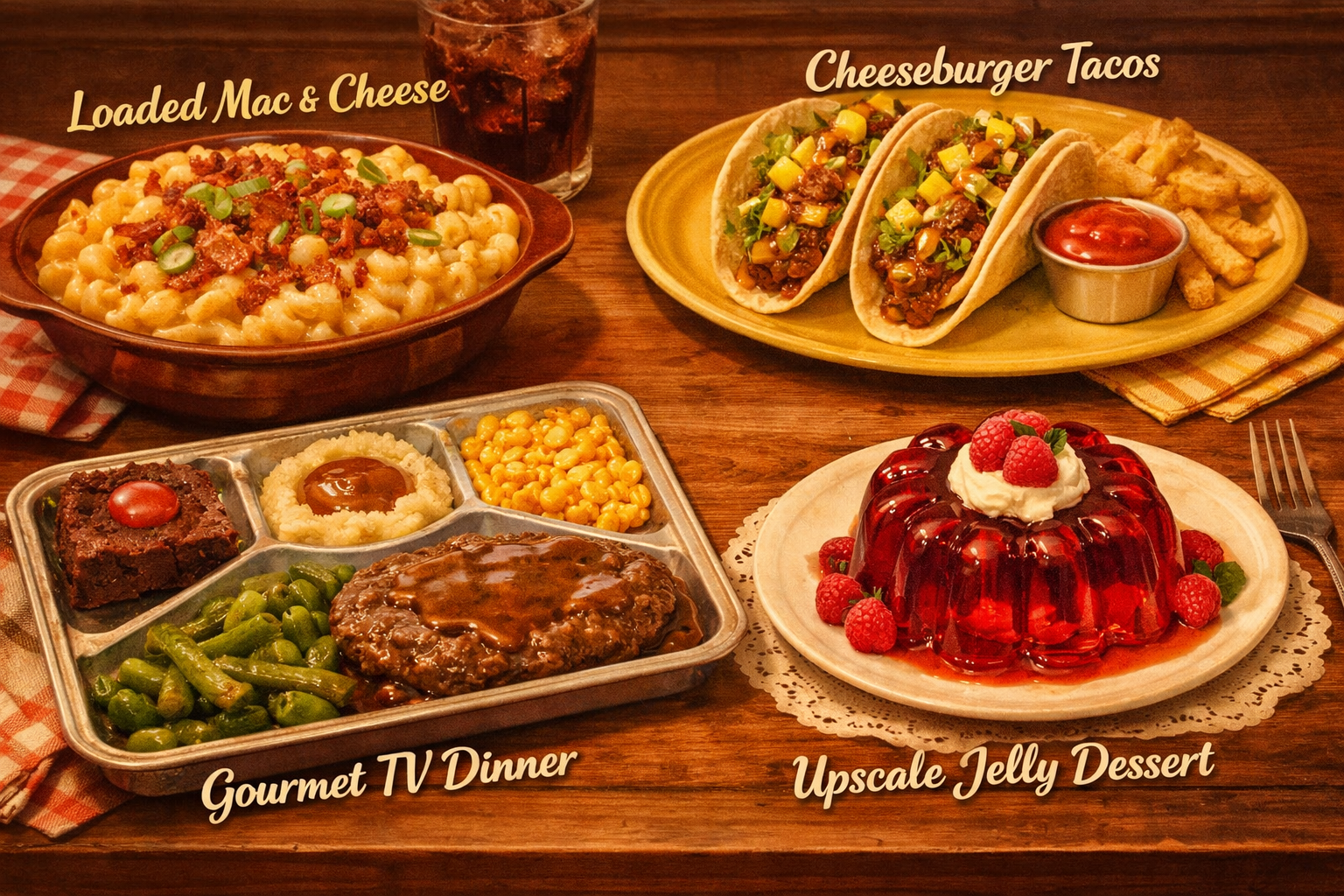
Remember when food felt like a warm hug instead of a curated social media photo op?
Lately, it seems like the restaurant world has been spinning at Mach speed. Between the rapid rise of functional “superfoods” and complex global fusion concepts, modern menus can occasionally feel a bit exhausting for a customer who just wants to sit down and unwind.
Amidst this fast-moving landscape, a powerful counter-trend has taken hold of consumer psychology. It’s called “Newstalgia” — the deliberate art of taking deeply emotional childhood comfort foods and reinventing them with modern culinary twists, premium ingredients or unexpected textures.
Macro stressors and economic uncertainties have caused diners to lean heavily toward foods that reduce anxiety and remind them of simpler times. However, today’s guests don’t just want a direct copy of a decades-old dish; they want a refined, grown-up version that reflects their adult palate.
If you are looking to inject your menu with high-margin, emotionally resonant dishes that perform remarkably well on a busy line, here is your guide to balancing retro comfort with modern culinary innovation.
The Big Three: Retro Icons Deserving a Modern Revival
You don’t need to completely overhaul your culinary identity to tap into this trend. Instead, focus on a few classic menu anchors that instantly trigger recognition and then elevate them using premium execution.
1. The transformed meatloaf
The classic meatloaf spent years carrying a reputation as an unpretentious, budget-stretching staple. Today, it’s undergoing a premium renaissance. Operators are swapping generic ground beef for house-ground Wagyu or a custom short-rib blend.
The modern twist: Instead of the standard sweet ketchup glaze, elevate the dish with an umami-rich black garlic glaze, a sophisticated red wine reduction or a side of wild mushroom gravy. Pair it with a silky, truffle-infused potato puree rather than basic instant spuds.
2. The next-gen smashed burger taco
The classic diner smash burger is an American icon, but the latest iteration bridges the gap between old-school nostalgia and global street food. As detailed in the National Restaurant Association’s 2026 What’s Hot Culinary Forecast, the “smashed burger taco” — where beef is pressed directly onto a flour tortilla on a screaming hot flat-top — has become a massive breakout hit.
The modern twist: Keep the classic American cheese melt, but elevate the dish with a quick-pickled kimchi slaw, a drizzle of gochujang mayo or a spoonful of crisp chili oil to hit that perfect balance of comfort and global adventure.
3. The reimagined chicken pot pie
Diners are actively hunting for flaky, savory pastries. Chicken pot pie is one of the top three old-school dishes making a triumphant, family-style comeback this year.
The modern twist: Move away from the heavy, uniform cream bases of the past. Instead, build your filling around a lighter, deeply savory bone-broth reduction packed with fire-roasted root vegetables and fresh herbs like tarragon and chervil. Top the dish with an intricately scored, hand-laminated puff pastry crust rather than a standard flat dough lid.
Operator’s Blueprint: How to Seamlessly Introduce “Newstalgia”
Integrating these items into your menu shouldn’t feel like forcing a square peg into a round hole. It requires strategic balancing to ensure the dish remains profitable and easy for your kitchen staff to execute.
- Use formats that naturally manage food costs
The beautiful thing about retro comfort classics is that they are structurally designed to be cost-effective. Pies, noodle dishes, casseroles and ground-meat formats allow your kitchen to stretch premium proteins beautifully. You can easily introduce high-end elements, like a dash of white truffle oil or a sprinkle of aged white cheddar, because the foundational ingredients (like flour, root vegetables or pasta) are incredibly economical.
- Embrace texture contrasts
When updating a nostalgic dish, focus on playing with textures rather than overcomplicating the flavor profile. If the childhood version of a dish was historically soft or uniform (like mac and cheese or tuna noodle casserole), add a contrasting, texturally rich topping.
Menu idea: Try topping an artisanal three-cheese macaroni dish with a hot-honey panko crumb or folding crisp celery and pickled sea asparagus into a classic seafood bake to provide a bright, unexpected crunch.
Tell a Story with Your Menu Copy
Newstalgia relies entirely on emotional connection, so let your menu descriptions lean into that narrative. Use playful, evocative naming conventions that subtly hint at the memories behind the meal. Think phrases like “After-School Noodles,” “Sunday Roast Hash,” or “Elevated TV Dinners.” It gives your service staff an automatic talking point at the table and builds an instant rapport with the guest before the food even arrives.
Nostalgia is the Anchor, Innovation is the Hook
At the end of the day, diners aren’t just buying calories, they are buying an experience. In a fast-paced world, providing a culinary bridge that connects a guest’s fondest memories with their modern, sophisticated taste buds is a foolproof way to build lifelong brand loyalty.
By taking classic, universally loved comfort formats and gently nudging them into the present with high-quality ingredients and smart global flavors, you create a menu that feels safely familiar, yet utterly irreplaceable.