Restaurant curfews by state

One of the more confusing aspects of restrictions during the COVID-19 pandemic is rules governing how late restaurants can stay open and what they’re allowed to serve. During the peak, many states issued general curfews and stay-at-home orders. These orders required residents to stay home except for essential activities. Since then most of the general curfews have been lifted, but there are still some targeted restaurant curfews in certain states. These restrictions can be confusing and may impact all service or just alcohol service.

The following is a table with the latest information on restrictions in all 50 states plus DC and Puerto Rico. To use the guide:

  • If a state does not appear, there are no restrictions on hours as of the last time this guide was updated. There may be other restrictions on dining capacity, see our guide for more details.
  • “L” indicates that restrictions vary widely by city or county within the state. (Note that even entries marked as “Y” or “N” may have some variation by city/county.)
  • If the “Alcohol only” column is marked X, the restriction applies only to serving alcohol and does not affect food service or other operations.
  • Information is not guaranteed to be up to date (though if you find any errors, please contact us).

Last updated: February 9, 2021

Restaurant curfews by state

StateShut down byReopen atAlcohol onlyState GuidanceLast Updated
CaliforniaN/AN/A2/9/2021
Colorado11PM or 12AMN/AXLink2/9/2021
Connecticut11PMN/ALink2/9/2021
Illinois11PM or 12PM6AMLink2/9/2021
Kansas12AM or 12:30AMN/ALink2/9/2021
Kentucky11PMN/ALink2/9/2021
Louisiana11PM8AMXLink2/9/2021
Michigan10PMN/ALink2/9/2021
Minnesota10PM4AMLink2/9/2021
Mississippi11PM7AMXLink2/9/2021
MissouriN/AN/A2/9/2021
New MexicoLLLink2/9/2021
New York10PMN/ALink2/9/2021
North Carolina10PM5AMLink2/9/2021
Ohio11PM5AMLink2/9/2021
Oregon11PM or 12AMN/ALink2/9/2021
Pennsylvania11PMN/AXLink2/9/2021
Puerto Rico12AM5AMLink2/9/2021
South Carolina11PMN/AXLink2/9/2021
Vermont10PMN/ALink2/9/2021
Virginia12AMN/AXLink2/9/2021
Washington11PMN/ALink2/9/2021

California

San Francisco still has a 10PM-5AM curfew in place.

Illinois

Illinois has a region-based system. The listed rules are mostly in place in the Chicago area.

Kansas

Rules vary by county. The listed rules are mostly in place in the counties surrounding Kansas City, KS.

Missouri

Rules vary by county. Kansas City, MO has a 12AM curfew.

North Carolina

In addition, alcohol sales prohibited from 9pm to 7am.

Oregon

Guidance varies by zone.

Virginia

No alcohol sold past 10PM.

By Rich Lu
Originally Published on: bensen.ai

When Can Restaurants Reopen?

While takeout and delivery are available pretty much everywhere, the rules for indoor and outdoor dining are different everywhere. More frustratingly, they are subject to frequent change as the pandemic situation evolves. With vaccinations off to a slow start, a definitive reopening and complete return to normal is still off in the distant horizon.

In the meantime, we’ve compiled some a snapshot to help you understand the situation in every state plus DC and Puerto Rico. How to use the guide:

  • “L” means that the situation varies widely by local rules at the city or county level.
  • Even states where indoor / outdoor dining is open (“Y”) may have rules regarding social distancing, for example 6 foot distance between tables and maximum number of guests per table. States marked as open (“Y”) may also have varying local restrictions.
  • There may be further restrictions on hours of operation. See our guide to curfews for more details.
  • Information may be out of date (though if you find an error, please email us). Refer to official announcements for most exact and up-to-date guidelines.
StateIndoor DiningOutdoor DiningMask MandateState GuidanceLast Updated
AlabamaYYYLink2/12/2021
AlaskaYYNLink2/12/2021
ArizonaY, 50% capacityYNLink2/12/2021
ArkansasY, 66% capacityYYLink2/12/2021
CaliforniaNYYLink2/12/2021
ColoradoY, 50% capacityYYLink2/12/2021
ConnecticutY, 50% capacityYYLink2/12/2021
DelawareY, 30% capacityYYLink2/12/2021
DCY, 25% capacityYYLink2/12/2021
FloridaYYNLink2/12/2021
GeorgiaYYNLink2/12/2021
HawaiiY, 50% capacityYYLink2/12/2021
IdahoYYNLink2/12/2021
IllinoisY, 25% capacityYYLink2/12/2021
IndianaYYYLink2/12/2021
IowaYYNLink2/12/2021
KansasYYLLink2/12/2021
KentuckyY, 50% capacityYYLink2/12/2021
LouisianaY, 50% capacityYYLink2/12/2021
MaineYYYLink2/12/2021
MarylandY, 50% capacityYYLink2/12/2021
MassachusettsY, 40% capacityYYLink2/12/2021
MichiganY, 50% capacityYYLink2/12/2021
MinnesotaY, 50% capacityY, 50% capacityYLink2/12/2021
MississippiY, 75% capacityYNLink2/12/2021
MissouriYYNLink2/12/2021
MontanaYYNLink2/12/2021
NebraskaYYNLink2/12/2021
NevadaY, 25% capacity35% starting Feb 15YYLink2/12/2021
New HampshireYYYLink2/12/2021
New JerseyY, 35% capacityYYLink2/12/2021
New MexicoLLYLink2/12/2021
New YorkY, 50% capacity
25% in NYC
YYLink2/12/2021
North CarolinaY, 50% capacityY, 50% capacityYLink2/12/2021
North DakotaY, 80% capacityYNLink2/12/2021
OhioYYYLink2/12/2021
OklahomaYYNLink2/12/2021
OregonLYYLink2/12/2021
PennsylvaniaY, 25%-50% capacityYYLink2/12/2021
Puerto RicoY, 30% capacityYYLink2/12/2021
Rhode IslandY, 50% capacityYYLink2/12/2021
South CarolinaYYNLink2/12/2021
South DakotaYYNLink2/12/2021
TennesseeYYNLink2/12/2021
TexasY, 50%-75% capacityYYLink2/12/2021
UtahYYYLink2/12/2021
VermontY, 50% capacityYYLink2/12/2021
VirginiaYYYLink2/12/2021
WashingtonN
25% starting Feb 15
YYLink2/12/2021
West VirginiaY, 50% capacityYYLink2/12/2021
WisconsinYYYLink2/12/2021
WyomingYYYLink2/12/2021

When can restaurants reopen in California?

StatusNotes
Indoor DiningNot allowedSee zone map for exceptions
Outdoor DiningAllowedSubject to local regulations and capacity restrictions

Covid-19 struck California especially hard towards the end of 2020, which led the governor to issue a regional stay-at-home orders. While takeout and delivery was never banned, all in-person dining was paused in affected regions.

The order was recently lifted, which means that many localities are reopening outdoor dining, including San Francisco and Los Angeles. Cities are expected to have additional capacity restrictions (many at 50%) and other requirements to ensure the safety of diners.

In addition, California has lifted the 10pm – 5am curfew that was in effect during the stay-at-home emergency, though San Francisco will continue to enforce it.

California’s Covid-19 situation (post stay-at-home order) is summarized using a color-coded system, where the most severe tier (purple) means only outdoor dining is allowed. Currently almost the entire state is in the purple zone.

When can restaurants reopen in Texas?

Texas has kept in-person dining available throughout the end of 2020 and into 2021. There is a statewide 75% capacity limitation on indoor capacity dining, with an automatic trigger that lowers capacity to 50% if hospitalization rates exceed 15%. This was recently triggered in the Austin area and is also in effect in other cities including Dallas and Houston.

Adding to the confusion has been conflicting directives between local and state authorities. Austin has a 5-stage classification for pandemic severity, and at stage 5 it has recommended bars and restaurants to shut down indoor dining and limit outdoor dining to 50%, and ending service at 10pm. However these are contradicted by orders from the state, which has led to lawsuits being filed, further muddying the picture.

What about New York?

New York was an early epicenter of the Covid pandemic in Spring 2020. While it brought the virus mostly under control through the summer, by the fall it had surged again and the state took action to slow the spread.

Indoor dining in NYC restaurants has recently reopened at 25% capacity.

Across the rest of the state, the rules around indoor dining are tied to the state’s color-coded microcluster strategy. Originally the policy only allowed indoor dining in yellow zone areas, but following recent lawsuits the state is planning to expand indoor dining to orange zones as well. All in-door dining is limited to 50% capacity.

And Florida

Florida has one of the most permissive regimes for restaurant operation during the pandemic. Since September, the state has allowed operation at pre-pandemic levels without capacity restrictions. Localities are allowed to impose additional restrictions with formal public health justifications, though the state requires that indoor dining capacity cannot be dropped below 50%. Miami is one of the cities that have imposed an additional 50% capacity restriction.

By June Terrance
Originally Published on: bensen.ai

Are Third-party apps to rescue restaurants – or to profit from an industry’s collapse?

Third-party delivery platforms frame their business as one of marketing. When restaurants still had dining rooms to fill, apps promoted their service as a way of reaching new customers. Now third-party platforms hold the restaurant market captive, and the apps are more crowded than ever.

A lot of problems can arise when restaurants rely on third-party food ordering and delivery services. 

Problem #1: Handling Orders Nightmare

Different third-party ordering systems have different ways of sending in orders. Some use email, others use bespoke tablets. This a huge headache for whoever is in charge of sifting through all of these orders and passing them onto the kitchen. It’s no wonder that even the best restaurants occasionally miss one and get hit with the penalty of a one-star review.

It’s not just a logistical problem. Staff in all areas of the business need to be trained to take orders in the front-of-house and properly store, handle and package food in the kitchen so that it has the best chance of arriving hot. This is easy when you’re in charge of the delivery, but when it’s a third-party that handles multiple orders at once, there’s no guarantee that your food will be delivered first.

For some restaurants that can even mean changing the way they package carryout food so that it can arrive at customers in the best condition, rather than a cold, soggy mess.

Problem #2: Huge Cost of Transaction Fees

The most obvious problem for restaurants is the huge cost that comes with these online orders. third-party websites charge restaurants fees of up to 30% for each order. This makes tight margins even tighter for small, independent restaurants.

It wouldn’t be so bad if orders included high margin items like alcohol or other drinks. But these items are rarely ordered in online deliveries leaving restaurants no room to make up the fees that apps charge.

Even worse, as these ordering websites grow in popularity, the number of dine-in customers may diminish. Why would customers bother going into restaurants when they can easily order online from home?

It will get worse according to the latest research. Analysts at Morgan Stanley predict that delivery could make up almost 40 percent of restaurant revenue by 2022.

Most of these online platforms aren’t profitable themselves, either. That means that restaurants that rely on these platforms to drive online traffic, even despite the high transaction costs, could be left in the cold if any of these platforms suddenly shut down.

Problem #3: Customers Don’t Engage With the Restaurant’s Brand

This isn’t the first issue that restaurant managers will bring up, but it’s a big one. When customers use an online ordering service, they become the customer of the app and not the restaurant. They pay the app, the app tells them when their food comes and a driver from the app delivers the food. The only time they interact with the restaurant’s brand is when they taste the food.

That means the customer is missing out on 90% of the restaurant’s experience. They don’t get to interact with restaurant staff, they never see any of the restaurant’s branding efforts and they certainly don’t set foot in the restaurant itself. When customers order through these websites it becomes impossible for restaurants to create an engaging and fulfilling customer experience.

It also becomes impossible for them to market to these customers in the future. When 3rd-party apps control the process, they don’t just take a cut of the profits, they also take all of the customer’s data. The restaurant doesn’t get an email address or phone number (in some cases) of the customer that they can use to market to in the future. All they get is an order.

Small independent restaurants have a hard enough job marketing to customers as it is without missing out on marketing to a significant portion of their customers.

Problem #4: The Reputation Problem

Not only to restaurants get the raw end of the stick when it comes to the branding, they also get blamed for any negative part of the customer experience, too.

Because when something goes wrong with the order, whether the food is cold, the order is wrong or the delivery is late, guess who gets blamed?

That’s right. It’s the restaurant.

According to the Off-Premise Insights’ Takeout, Delivery and Catering study, 82 percent of customers blame the restaurant and not the driver or the ordering app.

Not only do restaurants have to field the complaints, they also get backlash on social media, too. Research has shown that reviews including the word delivery are worth less than two stars on average. This is even true when the remaining reviews are overwhelmingly positive.

For small, local restaurants, a handful of negative reviews can be enough to have a measurable impact on their bottom line. And it can take months of positive four- and five-star reviews before they recover their reputation.

We found a calculator to help you calculate how much you are losing out on takeout: Calculate now

Reference:

https://applova.io/third-party-delivery-commissions-calculator

Speak Up and Take Action: The F&B Industry Needs to Play its Part in Fighting Racism


Dismantling systemic racism is a universal responsibility and the Black Lives Matter movement requires the support of everyone. The food and beverage industry needs to stand up for justice, provide financial assistance and overhaul discriminatory practices. 

The Black Lives Matter movement has gained tremendous momentum in the last few weeks and has grown beyond standing up against police brutality to encompass the wider problem of systemic racism. Companies and organizations across America are being challenged to take up the cause. The food and beverage industry is no exception, with consumers demanding action and accountability. Restaurants, cafes and fast food chains are required to support the movement and assist them in palpable ways. Beyond this there is a demand for food and beverage establishments to review their own policies and put right any prejudicial practices they may be engaged in. 

The interaction between consumers and F&B outlets has been carried out largely via social media. Platforms like Twitter, Instagram and Facebook have been used extensively by both parties and so the activity on social media presents a good barometer of the situation. From the point of view of netizens, silence on social media equals complicity. Refusal to speak out against injustice and discrimination is viewed as support for these. Thus it has become vital for restaurants, cafes, pizzerias and fast food chains to make a public statement about their stance on the matter of racism. And across the nation, F&B establishments have done exactly that, utilizing all their social media platforms and even their blogs to condemn racism and call for equality and justice. 

However, it is not just about saying something; you have also got to say the right thing. Popeyes Chicken initially tweeted, “Popeyes is nothing without Black lives,” but soon deleted this and replaced it with, “There’s no room for injustice. We commit to strengthening every facet of our culture and policies to foster an environment where equality for Black people is a priority. We’ll use our platform to support this movement.” What is said online needs to directly address the issue of racism, with a public denouncement of discrimination and prejudice. 

Social media posts are evaluated and critiqued. A positive public response can boost an F&B establishment’s image and help appease customer concerns in these trying times. Take for instance Ben and Jerry’s, who tweeted, “We must dismantle white supremacy,” while writing on its blog, “What happened to George Floyd was not the result of a bad apple; it was the predictable consequence of a racist and prejudiced system and culture that has treated Black bodies as the enemy from the beginning.” This has been warmly received by netizens who have been heaping praise on Ben and Jerry’s. This sort of open and pointed support for the anti-racism movement vests respect in a company. 

Unfortunately, not all F&B outlets have been met with such acclaim. Many companies have been called out for what has been perceived as hollow and empty posts. What is required is something more meaningful and tangible and, at this present moment, that is donations. This call to “open your purses” originated in a viral TikTok created by Adam Martinez. Be it to protestors’ bail funds, anti-racism non-profits or black-owned businesses, there is a need for financial assistance. Companies, including restaurants, are being asked to make monetary contributions and, if possible, even match their own employees’ donations. 

The scathing criticism levelled against some organizations have shown that lending a voice to the Black Lives Matter movement or even donating money to the cause is irrelevant if that establishment is themselves discriminatory in its everyday dealings with customers and staff. McDonald’s is an example worth examining. Its tweet naming the victims of police and racist violence, “They were one of us: Trayvon Martin. Michael Brown. Alton Sterling. Botham Jean. Atatiana Jefferson. Ahmaud Arbery. George Floyd.” prompted an angry backlash from the twittersphere. The main reproof was that the fast food chain itself was guilty of practicing racism, specifically by way of low wages and not providing sick leave for their black employees. To go beyond mere lip service, the policies and practices of all F&B establishments need to be revamped and made equitable. Internal prejudice must be dealt with and corrected first.

A good business is no longer simply about an amazing product or competitive prices. It has to do with creating a brand that is well respected  and the way to earn a contemporary consumer’s respect is to be fair and equitable. This means that, at a very basic level, everyone, customers and staff, need to be treated in the same manner, regardless of  race, religion, gender, sexuality or any other factor that has the potential to divide. The food and beverage industry must take concrete action and heed the current calls for an end to discrimination. 

References:

https://www.eater.com/2020/6/12/21288501/mcdonalds-starbucks-respond-to-black-lives-matter-george-floyd-protests

Ten Tips to Augment Your Restaurant Website

Websites are vital to connect with consumers, but to get attention they need to be thoughtfully put together.

Restaurants are slowly opening their doors to diners as lockdown measures are gradually being lifted. However, a recent survey conducted by 1Q and QSR magazine showed that a majority of customers remain wary of dining in, with 46.6% opting for drive thru and curbside pickup and only 26.2% saying they were willing to eat in. Compounding this are the many restrictions placed on operations. Thus, the truth is that restaurants will not be running at full capacity any time soon, with takeaways and deliveries remaining an important revenue earner. In this context, a prominent digital presence becomes more important than ever. 

Websites are a restaurant’s online personality. It is a centralized place for customers to check out menus, learn about promotions and offers, and make reservations. Even amidst the multiple other digital options available websites remain the primary point of contact for a customer. In order to ensure conversions your website needs to be attractive and engaging. So here are ten easy-to-follow tips on how to enhance your website and so entice customers.

  • Speak to Your customers

Picture your customer reading your website and ensure you are directly addressing them. For this you need to first know who your clients are and so you must have a buyer persona, which is a research-based profile of your ideal customer. Once you have built this picture you can keep your copy and content targeted and specific. 

  • Keep it user-friendly

A cluttered or complex website is off-putting and will push potential customers away. Have all the important information easily accessible, especially your menu and details of promotions and offers. Tabs should be clearly titled, simplifying navigation for a user. As people are generally averse to lengthy chunks of writing, keep the copy short and snappy. 

  • Use Search Engine Optimization 

No matter how creative or pretty your website is, you will not gain any traction if you cannot be found easily. You need to aim to be at the top of the list of search results, because this is the spot that generates an average of 32.5% of traffic share. There are plenty of guidelines online on SEO. The most important tip of them all is to use keywords.

  • Post lots (and lots) of pictures and videos 

This is a visual age and a picture speaks a thousand words. Take photos of everything: the premises, the food, the staff, and whatever else that comes to mind. People also spend hours watching random videos online. You can keep your customers hooked by putting up a range of different videos. Take your customers on a virtual tour of your restaurant, offer them tips on wine and beer pairing, teach them how to make some of your dishes, introduce them to your staff…the possibilities are endless, really. You can also boost consumer confidence in the safety of your restaurant by posting photos and videos of the hygiene measures that you have put in place. 

  • Enlist influencers

Internet influencers hold tremendous sway with a large base of followers willing to try out whatever they recommend. Send them some of your best or specialist dishes, requesting reviews. Link these to your website and you can open yourself up to hundreds more potential customers. 

  • Provide a space for reviews

Many first-time customers depend on reviews when deciding on where to dine. Allow your diners to post reviews on your website, keeping this space open to both positive and negative comments.This conveys that you value your customers and are willing to listen. Try to respond to all of these, engaging personally with the writers. 

  • Run Competitions

If social media has shown us anything, it is that people love challenges and competitions. Jump on the bandwagon and run your own special contests. Create hashtags to go along with these. Offer small prizes, you do not have to burn a hole in your wallet for these! 

  • Introduce special meals 

Bearing in mind our context, put together special packages for those staying indoors. These could be family meals or special group menus. Try to cater to the different living arrangements, including couples, extended families, and friends who are co-sharing. Design a complete meal if possible, from appetizers to desserts and maybe even drinks. 

  • Offer gift cards

If in-house dining is lower now, then use gift cards to encourage guests to visit later on. Provide special offers or incentives – a free drink with a gift card or discounted rates for each card. Gift cards are an effective way of making money in the present while also ensuring you have guests in the future. 

  • Facilitate donations and gifts 

There is so much good work being done by our frontline workers and many people are looking for ways to thank them. You could allow customers to buy meals for these modern heroes and have them delivered. On the other end of the spectrum are those who are struggling to feed themselves due to the current crisis. Encourage donations that can be channelled towards providing meals to the underprivileged. Document and recognize these generous gestures by way of pictures. Just bear in mind that this is about kindness and should not become another channel to make money! 

While a powerful online presence is essential in these unusual times, boosting and enhancing your website will prove valuable even in the post-Covid-19 era when operations will not be as restricted. The virtual world is pretty crowded and so you need to put in the effort to get noticed. So go ahead, start revamping your website and boost your digital identity. 

References:

https://www.qsrmagazine.com/outside-insights/digital-marketing-tips-launching-successful-restaurant

https://www.qsrweb.com/blogs/6-qsr-business-boosting-online-options/

Using Technology to Revamp Restaurants Post-lockdown

Restaurants, cafes and other food and beverage outlets have been through some very trying times thanks to the Covid-19 pandemic. With dining-in being suspended under lockdown regulations, regular operations were disrupted. In order to keep business flowing and meet the new customer demands, many operators went full throttle to up their delivery and take-out game. Now, restaurants are gradually opening up across the US, but with the social context having changed so dramatically, things cannot run in the same way as they were in pre-corona times. Ensuring the health and safety of both staff and customers is the topmost priority for restaurateurs and this has required a complete overhaul in their approach to business. 

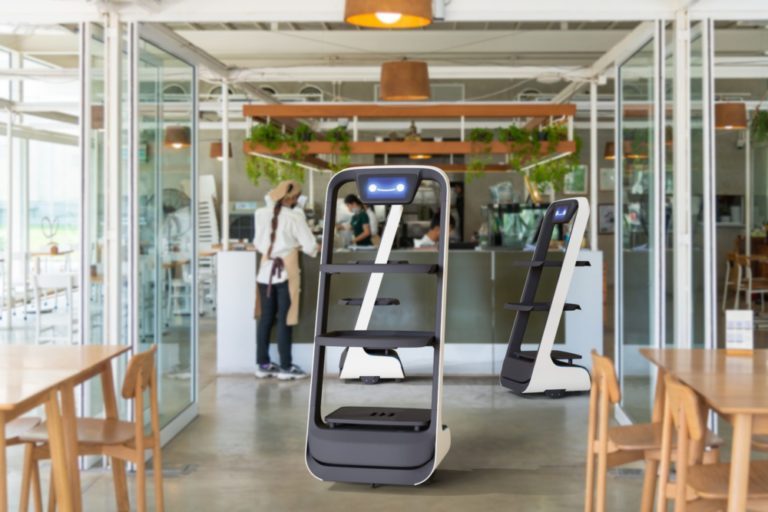
Technology is playing a key role in shaping this newly evolving restaurant culture. With physical contact presenting a serious concern in spreading infection, many dining outlets are looking at automating as many processes as possible. There are also new corona-specific requirements that need to be adhered to and tech providers are coming up with effective and innovative solutions to meet these. New software, gadgets, devices and machines are being introduced on a regular basis for use in the different stages of the dining process thus providing maximum safety at all times.  

Although self-service kiosks have been around for a while, the addition of new and diverse functions means they can now be utilized at different points of an F&B outlet. For instance, there are automated kiosks for checking a customer’s temperature. These have the ability to flag individuals running a temperature, either sending out an alert for further action or refusing that person entry. There are also automated sanitizer dispensers that work on a sensory mechanism requiring no touching. These could be freestanding or wall mountable, thus fitting into the available space and layout.  So two newly-introduced and vital entry rituals – temperature checks and hand sanitizing – can be completely mechanized, thus sparing staff the risk of prolonged contact with customers. 

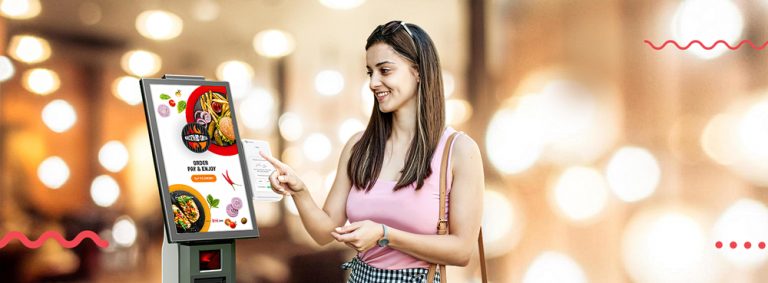
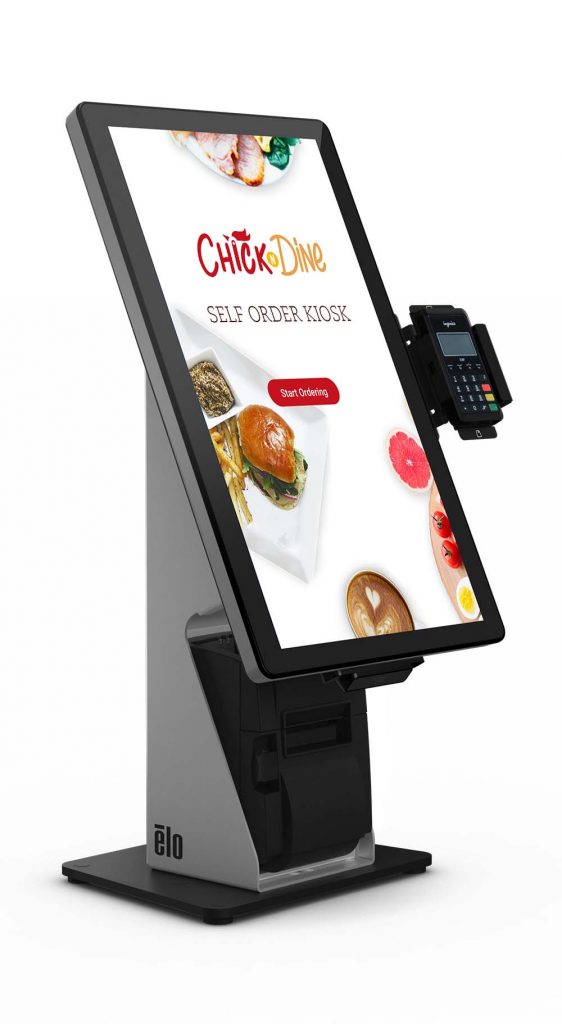
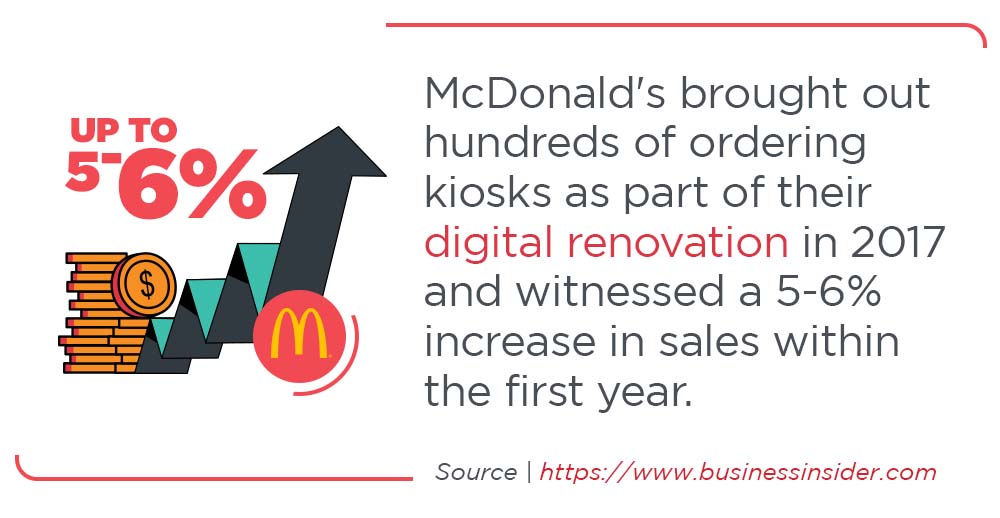
Just like they have been used previously by some fast food outlets, restaurants and cafes too can employ self-service kiosks for placing orders and making payments. These unattended kiosks have different variations. The standard touch screen options are valuable because wait staff do not have to physically interact with a customer, preventing exposure to infection. Because of the consistent handling, these need regular sanitizing. Taking things up a notch are touch screen kiosks that come with their own self-sanitizing facility that uses UV-C technology. This germicidal light deactivates the DNA of bacteria and viruses in 30 seconds, thus stemming their spread. A sensor in the kiosk can detect the presence of a customer and trigger the cleansing process once the customer has moved away. There is one slight hitch and that is that it has yet to be tested on Covid-19. That said, it has proved effective against SARS and MERS, both types of coronavirus. 

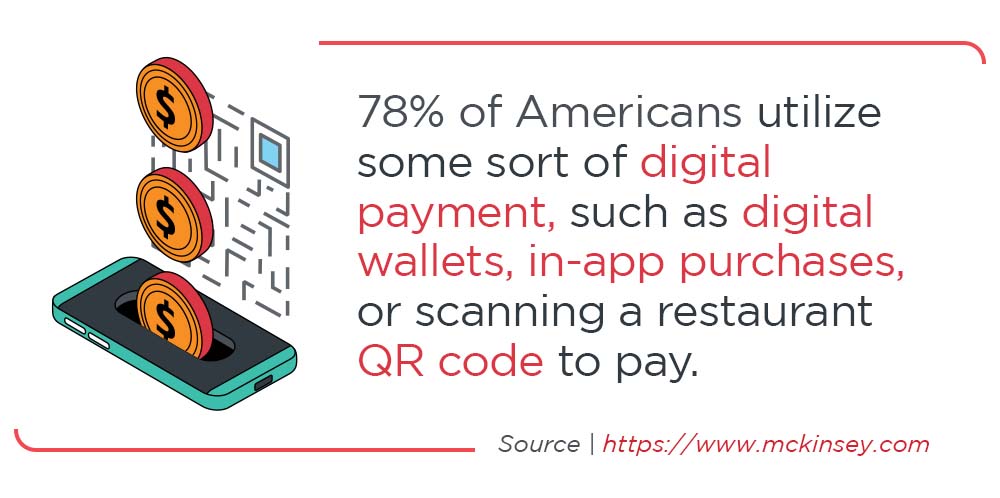
Some unattended-kiosks operate on a sensor system, allowing customers to select an option by pointing their finger at it from a distance of up to 2cm from the display panel. Scanning a QR code with a phone provides the opportunity for contactless payment. Minimizing touchpoints is crucial for keeping a restaurant free of infection. Touchless operations are also reassuring to a customer who need not worry about who has been handling the devices before them and this comfort will be one important reason for them to want to return. 

Smart menu boards and online / in-app ordering are other possibilities for removing physical contact between customers and staff. The less time spent on face-to-face interactions, the less chance there is of infection. That said, conversations between waiters and customers help build a rapport and removing these physical interactions could run the risk of distancing a customer from the restaurant. That is why it is important to personalize the software, displaying frequently ordered items and recommending new items based on choices made by other customers with similar likes. This careful curation will make a customer feel special, which is really all the emotional encouragement they need to place an order. 

A similar kind of personalised service can be offered at drive-thrus. With the help of Artificial Intelligence, the drive-thru kiosks can recognize cars or mobile phones and so make customized offers. AI could also help in directing the flow of traffic and make moving through lines faster and more efficient. The popularity of drive-thrus surged during lockdown and, given the current  reluctance of a notable number of customers to dine in, this could continue to be their preferred mode for enjoying their favourite meal. 

The impact of the pandemic on the restaurant sector was instant and customer behaviour changed immediately. Technology has played a key role in helping the F&B industry to adapt to lockdown and meet its ensuing demands. Restaurants are reopening to an already changed world and must adjust and revamp in order to thrive. Given the current context, it would be fair to say that integrating technology into the daily functioning of a restaurant is now a necessity and not an option.

Open with Care: How to Safely Resume Dining-in at Restaurants

With many states giving restaurants the green light to open up, there is much discussion and debate about safety and well being. Top on every restaurateur’s mind is how they can effectively protect their staff and customers so that they will not get  infected. The information out there is confusing, partly because there is still so much we do not know about the novel coronavirus and partly because of the lack of a centralized set of guidelines. There are multiple sources to refer to: the CDC report, the FDA guidelines and a whole host of documents produced by independent organizations like National Restaurant Association, José Andrés’s World Central Kitchen, James Beard Foundation and the Food and Society Program at the Aspen Institute.

Sifting through all this will be time consuming and wearisome. Given that restaurant dining rooms have been shut for an extensive period of time, it makes complete business sense to want to open doors as soon as possible. Time is of commercial essence and restaurants need to act fast. Seeing the need for relevant and timely information, we have looked at the material out there and put together some of the most salient, valuable and recurring suggestions, focusing on Front of House operations. It must be noted that these are practical, generic ideas that have no legal basis. It is important to be familiar with the legal requirements and other relevant regulations of your state, ensuring that your restaurant is in full compliance with these. 

As we already know so well, crowd control and managing numbers is fundamental in preventing the spread of the virus. It is vital to have a cap on the number of people in the restaurant at any given time and an efficient way of ensuring this is by accepting reservations only dining. Even more efficient would be if diners could pre-order, as this will remove delays caused by mulling over options and reduce the contact time between customers and staff (a valuable preventive measure for wait staff in particular). You could also consider implementing a maximum duration for each table to keep both the clients and revenue flowing. Limiting the number of people per group is also a must, with some guidelines recommending 4 and others 6 as the maximum. 

Temperature checks are becoming standard procedure in so many public buildings and restaurants too could benefit from them. That said, staff need to be trained in dealing with those with fevers, learning how to politely (and even discreetly) refuse them entry. Recording of patrons’ contact information would be valuable should contact tracing be required at a future date. Be mindful that some individuals may be wary of furnishing a restaurant with their personal details and it is important to establish the reason for collecting such data while guaranteeing that they will not be used for promotional or other business purposes. 

In keeping with social distancing requirements tables need to be at least six feet apart. Adequate space for movement between tables must also be considered when reorganizing the layout of your dining room. Of course, this means a reduced capacity which will certainly have noticeable implications on your bottom line. There are alternative measures that could help you maximize the number of patrons without compromising safety (although many of these require infrastructure changes). The most talked about are partitions and booths. A physical protective barrier will facilitate closer seating and there is something to be said about the psychological sense of security that these visible divisions will provide to a customer. 

Social distancing needs to also be facilitated in common spaces like waiting areas at the entrance and in bathroom queues. Make it a requirement to wear a mask in these spaces. See how best you can map out clear entry and exit pathways for bathrooms so that there is minimal contact between diners. Regularly sanitize and clean all surfaces in these spaces, maintaining a clear schedule for this. 

In terms of cutlery and crockery, using rolled silverware rather than pre-setting a table could reduce possible contamination of these items. Even better would be to provide disposables, but the environmental impact needs to be factored in. Items that get passed around a lot, like bottles of sauce and jars of condiments need to be removed and replaced with suitable alternatives like small sachets. Since the aim is to minimize (and, if possible, eradicate) touch points, communal serving stations, like buffets, salad bars and beverage dispensers should ideally be temporarily shut down. Paper menus, chalk boards with a list of dishes, mobile apps, are all possible substitutes for traditional menus. If you prefer to continue with existing menu cards, then make sure they are sanitized between seatings. Switch completely to contactless payments and steer clear of cash and credit cards. 

Do everything you can to safeguard your staff, especially those who are customer facing. Provide them with suitable protective gear and try to find ways to reduce the amount of interactions they will have with your patrons. Erect transparent partitions at counters. Take advantage of the technology available and digitize as many of the processes as you can. You need to strike a balance, ensuring that automation does not undermine the customer’s dining experience (or rob your staff of their jobs, for that matter). 

As important as implementing safety measures, is overtly demonstrating that they are being carried out. Your clients need to be reassured that you are doing everything you can to maintain good hygiene and sanitary standards. Ensure that your staff and environment are presentable, neat, and clean. Communicate the actions being taken both in-house and through other media. Place visible signage outlining protocols and acceptable behaviours for customers, adapting the details to match the space, be it waiting areas, tables, counters, or bathrooms. In short, you need to do all you can to make your precautionary practices obvious. 

While it is a relief to be able to get establishments up and running again, we are still unsure of the impact the loosened restrictions will have. Given this uncertainty, it will not hurt to err on the side of caution. Do everything you can to keep your staff and customers safe – not only is this the socially responsible thing to do, it will also be a boon to business. 

The Cheesecake Factory Announces $200 Million Strategic Investment From Roark Capital

April 20, 2020 08:41 AM Eastern Daylight Time- Originally published on
BUSINESS WIRE

“We are pleased to have found a high-quality partner in Roark, who we are confident will add significant value to The Cheesecake Factory Incorporated,” said David Overton, Chairman and Chief Executive Officer. “This transaction not only meaningfully enhances our liquidity position to navigate the near-term COVID-19 landscape and get our affected staff members back to work as soon as practicable, but also importantly, solidifies our ability to manage the business for the long-term for all of our stakeholders once we emerge on the other side of this crisis. Moreover, Roark’s investment underscores the strength of our brands, market positioning and long-term growth prospects.”

Neal Aronson, Founder and Managing Partner of Roark said, “We have long admired The Cheesecake Factory and the culture that David and his team have built.” In connection with this investment, the Board of Directors will be expanded from eight to nine members and Paul Ginsberg, President of Roark, will join the Company’s Board of Directors as an independent member. Ginsberg said, “We believe The Cheesecake Factory, North Italia and the FRC brands are uniquely positioned to maintain their leadership in experiential dining and look forward to a partnership with the board and management team to drive long-term value for all shareholders.”

Wells Fargo Securities, LLC and J.P. Morgan Securities LLC served as financial advisors and Latham & Watkins LLP served as legal advisor to The Cheesecake Factory Incorporated in this transaction. Paul, Weiss, Rifkind, Wharton & Garrison LLP served as legal advisor to Roark.

About The Cheesecake Factory Incorporated

The Cheesecake Factory Incorporated is a leader in experiential dining. We are culinary forward and relentlessly focused on hospitality. Delicious, memorable experiences created by passionate people – this defines who we are and where we are going. We currently own and operate 294 restaurants throughout the United States and Canada under brands including The Cheesecake Factory®, North Italia® and a collection within the Fox Restaurant Concepts subsidiary. Internationally, 26 The Cheesecake Factory® restaurants operate under licensing agreements. Our bakery division operates two facilities that produce quality cheesecakes and other baked products for our restaurants, international licensees and third-party bakery customers. In 2020, we were named to the FORTUNE Magazine “100 Best Companies to Work For®” list for the seventh consecutive year. To learn more, visit www.thecheesecakefactory.comwww.northitalia.com and www.foxrc.com.

From FORTUNE. ©2020 Fortune Media IP Limited. FORTUNE 100 Best Companies to Work For is a trademark of Fortune Media IP Limited and is used under license. FORTUNE and Fortune Media IP Limited are not affiliated with, and do not endorse products or services of, Licensee.

About Roark

Roark focuses on investing in the consumer and business services sectors, with a specialization in franchised and multi-unit businesses. Since inception, affiliates of Roark have invested in 76 franchise/multi-unit brands, which collectively generate $41 billion in annual system revenues from 39,000 locations in 50 states and 81 countries. Please visit www.roarkcapital.com to learn more.

Safe Harbor Statement

This press release contains forward-looking statements within the meaning of the Private Securities Litigation Reform Act of 1995, as codified in Section 27A of the Securities Act of 1933, as amended, and Section 21E of the Securities Exchange Act of 1934, as amended. These statements include, without limitation, statements regarding the Company’s future performance and partnership with Roark Capital. Such forward-looking statements include all other statements that are not historical facts, as well as statements that are preceded by, followed by or that include words or phrases such as “believe,” “plan,” “will likely result,” “expect,” “intend,” “will continue,” “is anticipated,” “estimate,” “project,” “may,” “could,” “would,” “should” and similar expressions. These statements are based on current expectations and involve risks and uncertainties which may cause results to differ materially from those set forth in such statements. Investors are cautioned that forward-looking statements are not guarantees of future performance and that undue reliance should not be placed on such statements. These forward-looking statements may be affected by various factors including: the rapidly evolving nature of the COVID-19 outbreak and related containment measures, including the potential for a complete shutdown of the Company’s restaurants, international licensee restaurants and the Company’s bakery operations; economic, public health and political conditions that impact consumer confidence and spending, including the impact of COVID-19 and other health epidemics or pandemics on the global economy; acceptance and success of The Cheesecake Factory in international markets; acceptance and success of North Italia and the Fox Restaurant Concepts restaurants; the risks of doing business abroad through Company-owned restaurants and/or licensees; foreign exchange rates, tariffs and cross border taxation; changes in unemployment rates; changes in laws impacting the Company’s business, including increases in minimum wages and benefit costs; the economic health of the Company’s landlords and other tenants in retail centers in which its restaurants are located; the economic health of suppliers, licensees, vendors and other third parties providing goods or services to the Company; adverse weather conditions in regions in which the Company’s restaurants are located; factors that are under the control of government agencies, landlords and other third parties; the risk, costs and uncertainties associated with opening new restaurants; and other risks and uncertainties detailed from time to time in the Company’s filings with the Securities and Exchange Commission (“SEC”). Forward-looking statements speak only as of the dates on which they are made and the Company undertakes no obligation to publicly update or revise any forward-looking statements or to make any other forward-looking statements, whether as a result of new information, future events or otherwise, unless required to do so by law. Investors are referred to the full discussion of risks and uncertainties associated with forward-looking statements and the discussion of risk factors contained in the Company’s latest Annual Report on Form 10-K, Quarterly Reports on Form 10-Q and Current Reports on Form 8-K as filed with the SEC, which are available at www.sec.gov.

Will the Coronavirus Threaten Our Food?

The supply chain has plenty of vulnerabilities.

By Shub Debgupta.
Dr. Debgupta is an economist who focuses on food.

Two terminals for the Port of Houston were shut down for a day this month after an employee tested positive for coronavirus, and Pennsylvania briefly closed most of its truck stops and service areas to slow the spread of the virus, threatening to also slow the distribution of food and other goods. Some meat packagers around the country were at three-fourths capacity because of illness.

In these and other small ways, the coronavirus has begun affecting the nation’s food supply chains, raising the potential that as the virus spreads, it will become harder to get food into stores from both American producers and ones abroad.

So far, the worst of the problems in the United States have been temporarily empty shelves at some stores. But the consulting company Fitch Solutions says that it sees “risks at all levels of the supply chain, from production to trade” that could lead to a “re-acceleration in food price inflation globally.” The United Nations Food and Agriculture Organization says it expects disruptions in food supply in April and May.

How bad could it get in the United States? What happens in California and abroad could provide a big part of the answer.

The food industry is one of the nation’s most labor-intensive. California produces a third of the nation’s vegetables and two-thirds of its fruits and nuts. The statewide “shelter in place” order gave an exception to agriculture, but counties are enforcing it differently, and there are concerns about outbreaks of Covid-19 among farm workers. Delays and higher prices could result.

Making matters worse, the food industry relies on more than 200,000 guest workers each year. About 90 percent of the H-2A temporary visas these workers need are issued in Mexico, where American consulates have shut down. Last Thursday, the State Department made the visa process easier for returning workers, but prolonged delays in temporary help could further limit farm production in California.

Domestic production is not the only problem. The United States relies on foreign suppliers for almost 20 percent of its food, including 80 percent of its seafood, with almost half of that coming from Asia, according to calculations by my firm. About half of our imported dairy products come from Europe, also hit hard by the virus. Almost 25 percent of America’s cheese comes from Italy, my firm estimates, the nation with the world’s highest death toll from Covid-19.

Those imports are at risk. Another threat is that those nations and others will take steps to protect their own food supplies. Last week, Kazakhstan, a major exporter of wheat flour, and Vietnam, the world’s third-largest supplier of rice, suspended exports of those products. Because the United States no longer holds national grain reserves, significant parts of the food supply could be jeopardized should food protectionism accelerate.

The United States does have some backstops. When the virus surged here, much of our everyday food and many staples — including chicken, beef, soybeans and dairy — were at or near their highest storage levels. This cushion was partly the result of the trade war between the United States and China.

But the country’s complex food supply chains will nonetheless face mounting risks as the virus persists. This will require steps to keep food prices in check and to meet demand.

One potential opportunity is repurposing, for consumption at home, food normally sold to restaurants, hotels and other hospitality locations, where slightly more than half of the nation’s food expenditures are made. This could reactivate supply chains catering to those businesses. Otherwise, some of this food, especially fruits, vegetables and other perishable products, could go to waste.

In addition China and South Korea, now believed to be past the worst phases of their outbreaks, offer lessons in how to avoid food supply bottlenecks.

Food producers in those countries built trust by sharing information across the supply chain. They reallocated labor to ease bottlenecks and build reserves in areas where shortages could result. For instance, delivery and retail companies borrowed furloughed staff from restaurants and food service providers. Food production was shifted to areas less affected by the virus. Delivery routes were also redirected through those areas.

And having faced the SARS epidemic in 2003, many food companies in Asia had established plans for business disruption, enabling them to modify packaging, storage and testing to maintain quality and safety despite delays in delivery.

With the spreading virus creating uncertainty, the readiness of the food industry to make rapid changes in how it produces and delivers its products to a nervous population will be crucial. So will the willingness of state and federal authorities to provide flexibility while ensuring food safety and minimizing waste. Coordination among all will be vital.

While the good news is that we have sufficient food production to meet our immediate needs, the next few weeks will be critical to keeping Americans supplied with food during a pandemic that has already caused turmoil and could lead to even more upheaval.

Shub Debgupta is an economist and the founder of Mesh Intelligence, a supply chain risk prediction company focused on food.

The Times is committed to publishing a diversity of letters to the editor. We’d like to hear what you think about this or any of our articles. Here are some tips. And here’s our email: letters@nytimes.com.

Follow The New York Times Opinion section on FacebookTwitter (@NYTopinion) and Instagram.


Coronavirus and the Food & Beverage Industry

Your source for how COVID-19 is impacting the food and beverage industry as well as resources for the food and beverage facilities and their employees.

By Food Processing Staff

Stay informed with how COVID-19 is impacting the food & beverage industry


Follow our news coverage of novel coronavirus

Workforce & Manufacturing Impacts

Consumer Brands Association Asks Manufacturers Be Exempt from Gathering Laws
Employee at Georgia Anheuser-Busch plant Tests Positive for COVID-19
UK Told to Help Fill Coronavirus-Related Production Gaps
Statistics for How Long Coronavirus Lives on Surfaces
Cornell Coronavirus Q&A Call-Ins Begin March 23
Three Processors Award Coronavirus Bonuses
Distilleries and Breweries Contribute in the Fight Against Coronavirus
How the Coronavirus is Affecting Food Processing 

Financial Impacts

Food and Beverage Companies Feel the Impact of Coronavirus
Food Stocks Get Bump from Coronavirus
Coronavirus Supply Woes Attributed to Panic, Not Shortage
Coronavirus Helps Canned Goods, Hurts Fresh
Corona Beer Says Virus Not Hurting Sales
Coronavirus May Outweigh Tons of New Funding for Impossible Foods 
EU Food Groups Call for Freer Borders
Comfort Food Sales Soar in Coronavirus Outbreak
Coronavirus and the Oracle of Wall Street
Top Food and Beverage Companies Offering Aid in Coronavirus Relief Efforts

Federal Level

FDA Suspends Domestic Inspections Due to Coronavirus
FDA Halts Foreign Inspections Due to Coronavirus
USDA Announces Collaborations for Feeding Program in Response to COVID-19
CDC Offers Coronavirus Guidance for Event Organizers


Food Processing Content for Cleaning, Sanitation, and Hygiene

Balancing Considerations in Cleaning and Sanitation
How to Prevent Computers Becoming a Contaminant in Food Manufacturing
Options Increase For Cleaning And Sanitizing Food Plants And Trucks
Why Every CEO Should Be Sanitation Savvy
Sanitation’s 10 Most Wanted
Equipment Designed With Sanitation In Mind Can Ease Processors’ FSMA Concerns
New Antimicrobial Treatments Are Enhancing Food Safety in the Plant
How Well Do You Know IP69K?

See all of the articles we have on Cleaning, Sanitation, and Hygiene for food and beverage plants


Food Processing Content for Food Safety

Analytical Testing in Food Manufacturing: Understanding the Basics
Listeria’s Most Common Hideouts

High-Pressure Processing Now Comes in Bulk
Dealing with Product Tampering Threats, Then and Now

See all of the articles we have on Food Safety

Special Reports & E-Handbooks

E-Handbook: Manufacturing Equipment’s Role in Food Safety 2020
Get the pulse on food and beverage manufacturing’s 2020 outlook combined with expert advice on equipment issues this new E-Handbook.

E-Handbook: Sanitation’s Role in Food Safety
Both cleaning and sanitation are integral parts of a food safety program. In this Food Processing E-Handbook, we take a deeper dive by delivering you white papers on several topics germane to the topic.

Special Report: Clean, Sanitized, Safe
Read this special report to learn how food processors are adopting an 8 step food safety and brand protection plan, so processors can focus on growing production demands.


Food Processing Industry Events Impacted by Coronavirus

Keep up with the latest show cancellations and postponements on our Events Page