
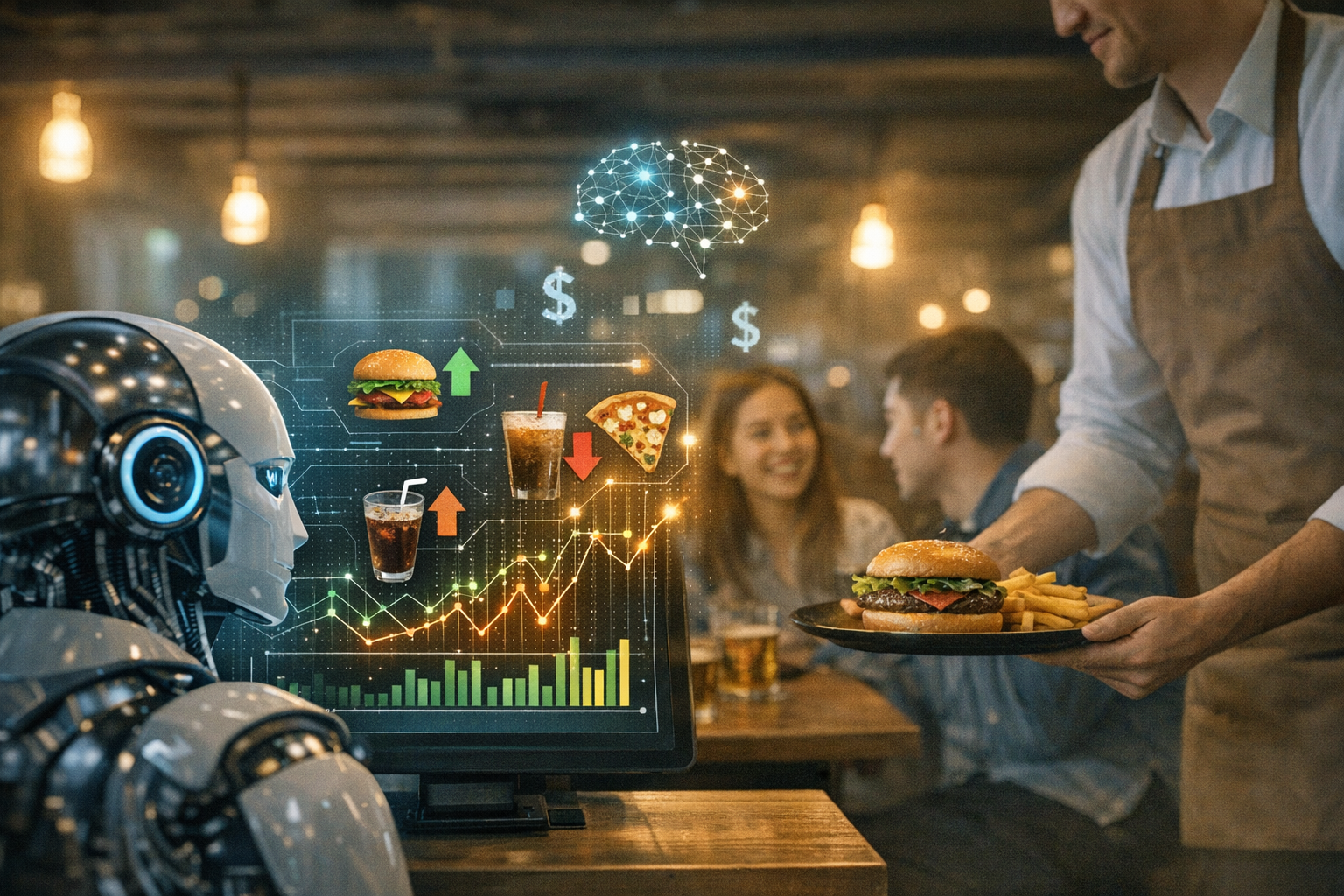
Dynamic pricing isn’t new. Airlines, hotels and ride-sharing apps have used it for years. But AI-driven dynamic pricing in restaurants goes beyond simple peak/off-peak adjustments. It integrates factors like ingredient costs, labor, weather and even local events to recommend real-time menu price changes. This makes it more precise and less disruptive than traditional “surge pricing”.
For restaurant managers, this means better margin protection without blunt price hikes. Instead of raising all menu items, AI can suggest small, targeted adjustments, like nudging up the price of chicken sandwiches when poultry costs spike, while leaving fries untouched.
Why Managers Should Care
- Margins under pressure: Rising food and labor costs make static pricing risky. AI helps balance profitability with guest satisfaction.
- Guest perception: Customers accept price changes if they feel fair. A $0.25 increase on a burger during peak hours is less noticeable than a $2 jump across the board.
- Operational efficiency: AI systems can sync with POS and inventory, ensuring pricing reflects real-time supply chain realities.
QSR Examples in Action
Picture a busy quick-service restaurant on a weekday morning. The AI system notices a surge in demand for breakfast sandwiches. Instead of raising all menu prices, it recommends a small increase — say, 20 cents — on the most popular item. Guests barely notice, but the margin protection adds up across hundreds of transactions.
Later that afternoon, the same restaurant sees slower traffic. The AI suggests lowering the price of iced drinks by 10% to encourage sales. Guests feel they’re getting a deal and the restaurant moves more product that might otherwise sit idle.
On Friday evenings, when delivery orders spike, the system could adjust pizza combo prices slightly upward while offering a discount on add-on sides. Customers still perceive value and the restaurant balances demand with profitability.
These scenarios show how dynamic pricing 2.0 works in practice: subtle, targeted adjustments that protect margins without alienating guests. The changes are small enough to feel fair, but strategic enough to make a real difference to the bottom line.
Avoiding Guest Alienation
The biggest fear managers have is alienating loyal customers. Here’s how to avoid that:
- Transparency: Use digital menu boards or apps to show “today’s price” clearly. Guests are more accepting when they see it’s dynamic.
- Fairness: Avoid extreme swings. A 5–10% adjustment feels reasonable; anything more risks backlash.
- Value anchoring: Pair dynamic pricing with loyalty rewards. For example, app users might get locked-in “member prices” even when dynamic pricing is active.
Practical Steps for Managers
- Start small: Pilot dynamic pricing on a few menu items (e.g., beverages or sides).
- Leverage data: Integrate AI tools with POS and inventory systems for real-time insights so that the changes will be focused on the right items at the right times.
- Train staff: Ensure frontline employees can explain pricing changes confidently.
- Monitor feedback: Use guest surveys and app reviews to gauge acceptance.
Conquering a Challenging Market
Dynamic Pricing 2.0 isn’t about squeezing guests, it’s about balancing fairness with profitability. By using AI to make subtle, data-driven adjustments, QSRs can protect margins, reduce waste and even enhance guest satisfaction. Managers who embrace this shift will be better positioned to thrive in a competitive, cost-sensitive market.