
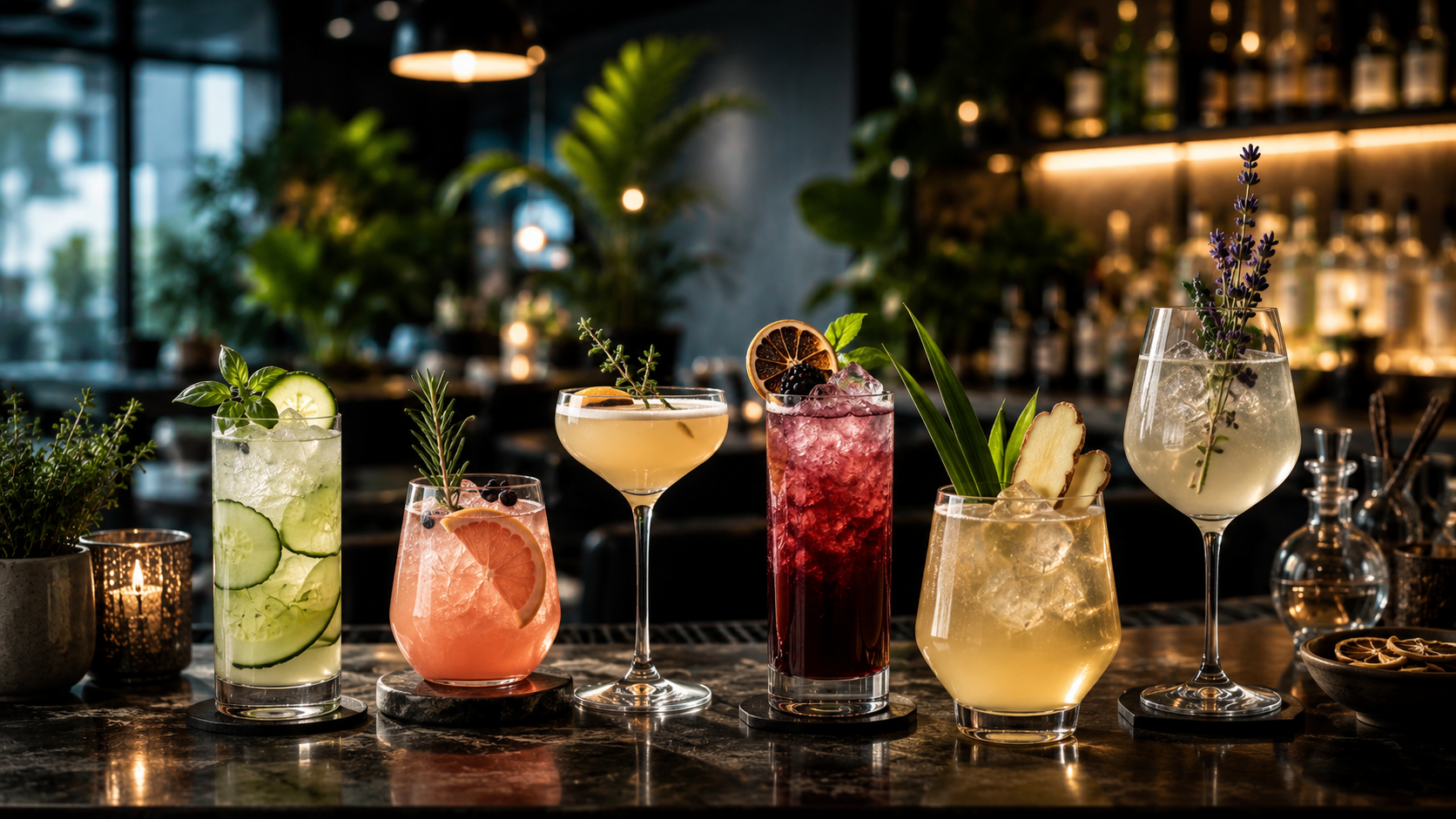
Not too long ago, a guest ordering a non-alcoholic drink at the bar usually had two choices: a soda or an overly sweet mocktail dressed up with a paper umbrella. Today, that approach feels increasingly out of step with what many diners actually want.
Younger consumers, particularly Millennials and Gen Z, are drinking less alcohol than previous generations, but they’re not giving up on social occasions. They still want to gather with friends, celebrate milestones, enjoy beautifully crafted drinks and spend time in lively restaurants and bars. They simply don’t want alcohol to be the centerpiece of the experience.
For restaurant operators, that’s not bad news. It’s a chance to rethink one of the most profitable parts of the business.
A thoughtfully designed zero-proof beverage program can protect beverage revenue, attract new customer segments and create a premium experience that encourages repeat visits. Better yet, many of these drinks carry healthy profit margins because guests are paying for craftsmanship, ingredients and presentation — not alcohol.
The Shift Isn’t About Abstinence
It’s tempting to view the rise of alcohol-free drinks as a niche wellness trend, but the numbers tell a different story.
Many guests are embracing what’s often called “zebra striping,” alternating between alcoholic and non-alcoholic drinks during a night out. Others are participating in initiatives like Dry January or simply choosing to drink less throughout the year. Some never drink alcohol at all, while others avoid it for health, religious or personal reasons.
What these groups have in common is that they don’t want to feel like an afterthought when they’re ordering from the menu.
Stop Calling Everything a Mocktail
One of the biggest mistakes restaurants make is lumping every alcohol-free drink into the “mocktail” category. Today’s guests expect more sophistication than fruit juice mixed with sparkling water.
The best zero-proof programs borrow techniques from cocktail bars. Think layered flavours, aromatic garnishes, house-made syrups, smoked ingredients, clarified juices, shrubs and carefully selected bitters that contain no alcohol.
Instead of mimicking classic cocktails, many successful restaurants are creating original drinks with their own identity.
For example:
- A rosemary and grapefruit spritz finished with tonic and fresh herbs.
- A blackberry shrub combined with house-fermented ginger soda.
- A cucumber, basil and green tea cooler with citrus oils.
- A sparkling botanical blend featuring elderflower and pink peppercorn.
These drinks feel intentional rather than like substitutes.
Functional Ingredients Are Creating New Opportunities
Another trend gaining momentum is the inclusion of functional ingredients that add complexity beyond flavour.
Adaptogens such as ashwagandha and reishi mushrooms, calming botanicals like chamomile and lavender, and ingredients including hibiscus, matcha, turmeric and ginger are increasingly appearing on beverage menus.
Whether or not guests are specifically seeking functional benefits, these ingredients help create distinctive drinks that feel premium and justify higher price points.
Of course, operators should be careful not to make unsupported health claims. Instead, focus on flavour, craftsmanship and the unique story behind each ingredient. A menu description that highlights a house-made hibiscus cordial or locally sourced herbs is often more compelling than promising wellness benefits.
House-Made Drinks Create Premium Value
One reason cocktails command premium prices is that guests understand they’re paying for skill and preparation.
The same principle applies to alcohol-free beverages. House-fermented sodas, infused syrups, seasonal shrubs, cold-brew teas and fresh botanical infusions all communicate quality.
Imagine two menu options.
The first is simply listed as: “Virgin Mojito – $8.”
The second reads: “House-fermented lime and mint soda with fresh spearmint, demerara syrup, cold-pressed lime and sparkling mineral water – $14.”
The second drink tells a story. It feels crafted rather than assembled. Guests are often willing to pay accordingly.
Train the Team to Sell the Experience
Even the best beverage program can fall flat if staff treat zero-proof orders as secondary. Servers and bartenders should be able to recommend alcohol-free drinks with the same enthusiasm they bring to cocktails or wine.
Instead of asking, “Would you like a mocktail instead?” they can ask, “Can I recommend one of our house botanical spritzes? It’s one of our most popular drinks.”
That small shift changes the conversation. It positions the drink as a destination item rather than a compromise.
Presentation Still Matters
People don’t just buy beverages — they buy experiences. Glassware, garnishes, ice quality, colour, aroma and presentation all influence perceived value. A carefully garnished zero-proof drink served in elegant stemware immediately feels more premium than one poured into a standard soft drink glass.
Many successful restaurants deliberately avoid making their alcohol-free drinks visually different from cocktails. Everyone at the table feels included, regardless of what’s in the glass. That sense of belonging encourages larger groups to choose your venue because every guest feels catered for.
Technology Can Help You Understand What’s Working
As beverage menus become more sophisticated, tracking performance becomes increasingly important. Modern restaurant technology allows operators to monitor sales by item, identify high-margin drinks, manage ingredient inventory and adjust menus based on seasonal demand. Rather than relying on instinct, restaurants can see exactly which zero-proof beverages generate repeat orders and which recipes need refining.
Restaurant operators interested in improving beverage profitability can also benefit from applying menu engineering principles across their food and drink offerings. Sailing Through High Costs: Profitable Menu Engineering for Restaurant Operators explains how sales data and contribution margins can help operators identify their most profitable menu items, optimize pricing and make smarter decisions that protect margins.
The Opportunity Goes Beyond Non-Drinkers
Perhaps the biggest misconception is that zero-proof beverages are only for guests who don’t drink alcohol. In reality, they’re for everyone.
A guest might order one between cocktails. Another may choose one over lunch before returning to work. Parents dining with children may appreciate premium options that don’t involve alcohol. Designated drivers, fitness enthusiasts, pregnant guests and health-conscious diners all represent valuable customer segments.
By creating a beverage menu that welcomes everyone, restaurants naturally expand their addressable market without sacrificing profitability.
The National Institute on Alcohol Abuse and Alcoholism also notes ongoing shifts in alcohol consumption patterns across different demographic groups, reinforcing why operators should pay attention to changing guest preferences rather than assuming traditional drinking habits will remain unchanged.
Raising the Bar Without Alcohol
Restaurants have always adapted to changing tastes. Today’s guests are asking for drinks that are inventive, memorable and worthy of the same attention as a signature cocktail.
Operators who respond by investing in premium zero-proof programs aren’t simply filling a gap on the menu. They’re strengthening one of their highest-margin categories while creating a more inclusive experience.
The best zero-proof lounges don’t feel like they’re missing something. They feel complete. They celebrate flavor, craftsmanship, hospitality and creativity in ways that appeal to every guest, regardless of whether alcohol is part of the occasion.
For restaurants willing to embrace that mindset, the opportunity is already sitting behind the bar.