Posted on Tech Crunch. By Sarah Perez@sarahintampa.
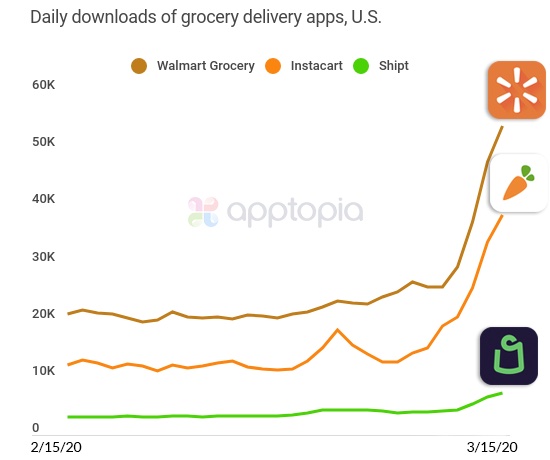
As the COVID-19 pandemic spreads across the U.S., grocery delivery apps have begun seeing record numbers of daily downloads, according to new data from app store intelligence firm Apptopia. On Sunday, online grocery apps, including Instacart, Walmart Grocery and Shipt, hit yet another new record for daily downloads for their respective apps, the firm says.
Comparing the average daily downloads in February to yesterday (Sunday, March 15), Instacart, Walmart Grocery and Shipt have seen their daily downloads surge by 218%, 160% and 124%, respectively.
Typically, these apps (except for Shipt) see tens of thousands to as many as 20,000+ downloads per day. But on Sunday, Instacart saw more than 38,500 downloads and Walmart Grocery saw nearly 54,000 downloads, the firm says. Shipt, though hitting record numbers, saw only 7,285 downloads on Sunday. To some extent, its lower figures could be due to Target’s move to integrate Shipt’s grocery delivery service, which it owns, into its main app.
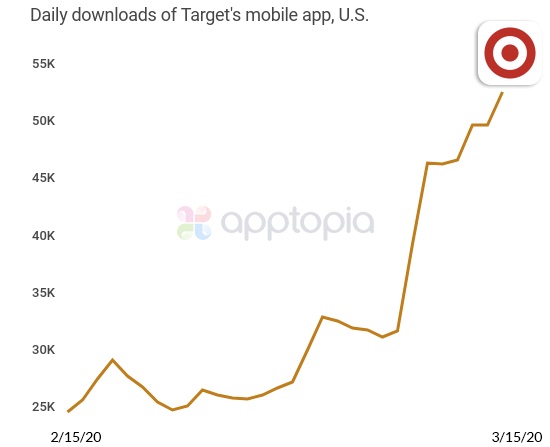
In fact, the Target app has also broken records for daily downloads, the report found. On Sunday, Target’s app saw more than 53,100 daily downloads; a month ago, it was seeing 25,000+.
Walmart very recently announced it would merge its grocery delivery service into its main app, as Target has done. But for now, consumers are still seeking and downloading its standalone grocery app at record levels.
These grocery delivery apps are in demand more than ever during this health crisis.
With government mandates to practice “social distancing,” U.S. consumers have been stocking up for long weeks to be spent at home. Stores were cleared of key supplies, like toilet paper, and several also saw long lines and crowds as panic-buying set in. Grocery delivery and pickup, meanwhile, presents an easier option — as well as one where you could limit your exposure to other people. With grocery pickup, consumers only have to interact with a single store employee from their curbside parking space. And with grocery delivery, most orders can simply be left on the doorstep with no person-to-person contact required.
Several grocery delivery services, including Instacart and others, promoted the fact they would add a “contactless” delivery option, which helps contribute to the huge sales boost. On Thursday, Instacart said its sales growth rates for the week was 10 times higher than the week before, and had increased by as much as 20 times in areas like California, New York, Washington and Oregon.
Apptopia’s report didn’t analyze the impact of the coronavirus outbreak on Amazon’s grocery delivery business, which includes Amazon Fresh and Whole Foods deliveries. This is more difficult to do because Amazon grocery orders aren’t placed inside a dedicated app, as with Instacart. However, Amazon confirmed a technical glitch on Sunday affected online orders through both its grocery delivery services, which the company attributed to the increase in online shopping.
“As COVID-19 has spread, we’ve seen a significant increase in people shopping online for groceries,” an Amazon spokeswoman explained, in a statement shared with Bloomberg. “This resulted in a systems impact affecting our ability to deliver Amazon Fresh and Whole Foods Market orders [on Sunday night]. We’re contacting customers, issuing concessions, and are working around the clock to quickly to resolve the issue,” they added.
But even as grocery delivery booms, the market for food delivery apps has not seen the same results.
Despite promises for contactless delivery from several providers, including Uber Eats, food delivery apps are not experiencing a similar surge in daily downloads. According to Apptopia, the food delivery market earlier in March was starting to cool off. It later began to pick up but then cooled off again as consumers realized the expense of ordering food compared with home cooking, and because some consumers view restaurant delivery as not being as safe as cooking at home.
Every restaurant chain operator knows that simply serving great food doesn’t guarantee success anymore. The biggest element impacting restaurant success today is the ability to deliver a unified food experience across channels.
But in the new world order, where offline sales are steadily being replaced or augmented by online and delivery sales, providing a consistent cross-channel experience is one of the biggest pain points for enterprise operators. In fact, most operators have totally lost control of the ordering, brand and guest experience.
It’s fair to say that when order channels moved from operator-driven to consumer-driven models, the guest experience took a big hit. The reason for that is simple; the POS became virtual.Suddenly, guests could order food on-the-go, on their smartphones, on tablets from the couch, on laptops at work, and on digital kiosks in the store.
While restaurant chains are moving quickly to serve guests across all these new channels, third-party delivery platforms and food service aggregators are continually innovating and show no signs of slowing down. Meanwhile, operators have been left with disparate technology stacks all attempting to do the same thing but with very different approaches. This has led to administrative and operational nightmares, not to mention the cost burdens that further squeeze profit margins.
But it doesn’t have to be this way. A modern and open POS platform, if architected correctly, can significantly enhance the guest experience to a level that has never existed before, particularly in the fast casual and quick service restaurant industry. It can transform hungry guests, to happy guests, and has been proven to have a major impact on increasing revenues.
The Five Essential Ingredients Needed to Achieve Unified Food Experiences
Here are the five ingredients you need to create a fully connected restaurant brand and a scalable technology model for your enterprise. Even if you’re managing multiple channels and brands, these critical 5 steps will get you to the promised land of data-driven and unified food experiences.
1. Start With the Secret Sauce: One Core Processing Engine
The first ingredient to success, which enables everything else, is partnering with a POS provider that gives you a common core processing engine across all your channels.
Having a common core built on a single database to collect, store, and move your data, will change the way you see your entire enterprise, giving you unprecedented access and visibility to your data.
Until now, there hasn’t been a technology advanced enough to actually do this. Enter Qu-1CORE—the brains behind the modern restaurant chain operation.
It’s time to ditch the tablet-farms and redundant order processing requirements for each of your order channels. When you have a single engine that processes everything and can run your entire system, magic happens.
A word of advice: when evaluating the performance of your POS platform, it’s important to inspect under the ‘hood’ and into the core processing engine. The better the engine driving the platform, the better your guest experience will be.
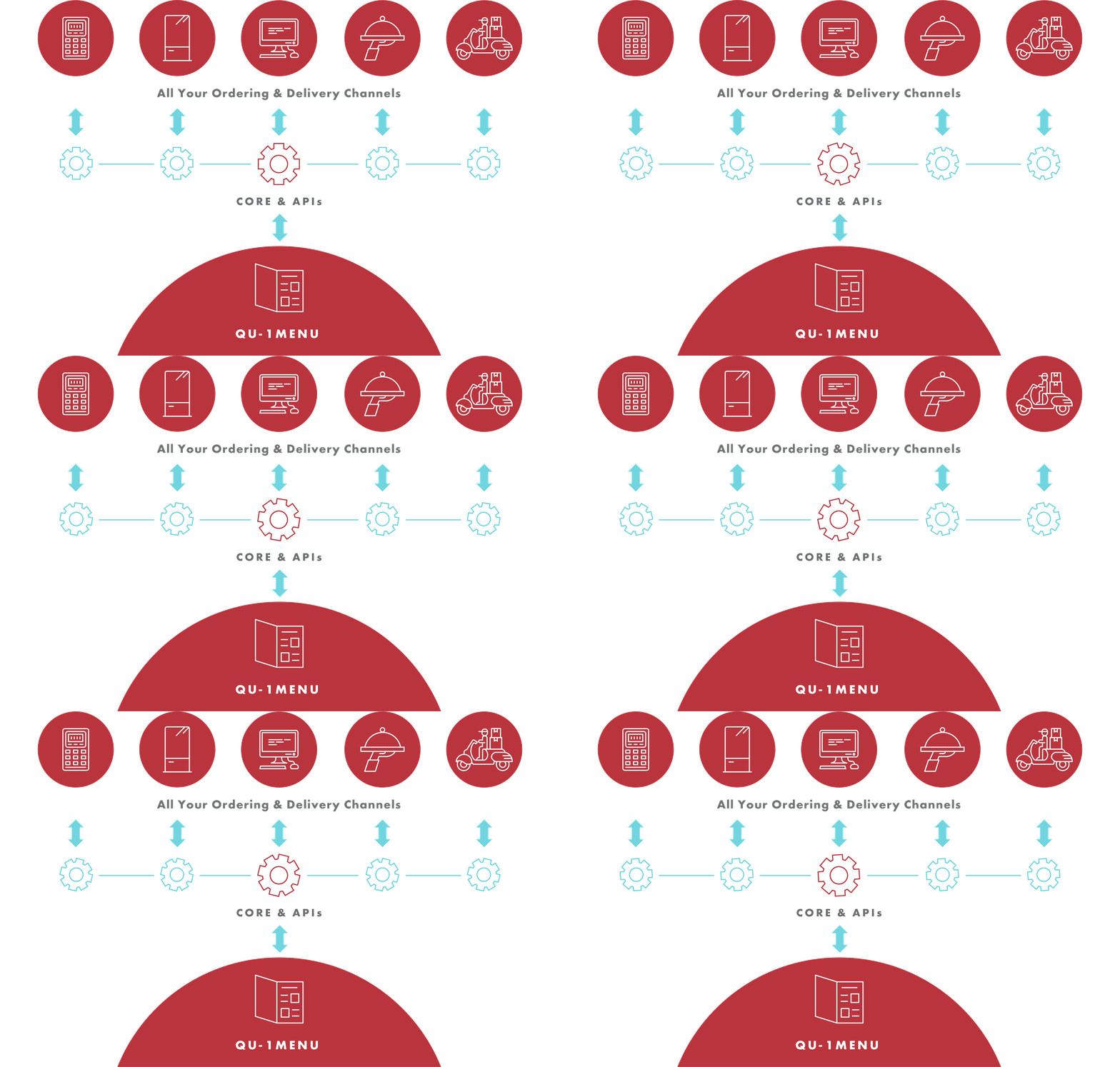
2. Add a Delicious Layer of Bi-Directional APIs for Flavor!
Much like your favorite lasagna, you want to add a delicious layer of consistent APIs on top of your core (sauce).
When looking at APIs, it’s really important to remember that not all APIs are created equal. For too long, vendors touted APIs as the solution to all integration problems. “You want to add online ordering? Yes, we have an API for that! Loyalty? Sure thing, we have another API for that!” You get the picture.
When APIs are a “one-way street” and don’t communicate with each other, you’re essentially allowing your vendors to control your business. Why? Well because you lose the ability to make changes from a centralized control center.
You want to look for bi-directional APIs. By having a set of bidirectional APIs that connect to your common core engine, in-store orders no longer need to be processed differently from digital orders. Meaning the manual data-entry finally stops. Not to mention, one of your biggest headaches with loyalty integration is solved. Loyalty rewards are collected and redeemed the same way across every channel – no disconnects equals happy guests.
With a bidirectional layer of APIs, it won’t matter if your guest logs in to a self-service kiosk in your store, is sitting on the couch at home using your mobile app, ordering lunch from their desk at work, or is seeing your menu on Google for the first time. Regardless of the occasion or ordering channel, their experience with your brand is uniform, it’s consistent, and exceptional!
3. Replace Menu Mayhem with a Dash of Unified Menu Management
Some restaurant operators have upwards of 20 menu systems and countless versions of their menu circulating around. It’s a recipe for disaster in our fiercely competitive digital world. It’s time to swap out the menu mayhem for a unified menu management solution.
A unified, single menu system simplifies menu management across your entire operation, whether you have 10 locations or 10,000. It also drives increased efficiency with:
A centralized way to manage all menus from one place.
Increased flexibility for operators and franchisees, with limitless freedom to update menus, pricing, promotions, taxes, service-charges or locations.
The ability to easily and seamlessly decide what menu items are sold where, when, and for what price, both in physical stores and across all your digital channels.
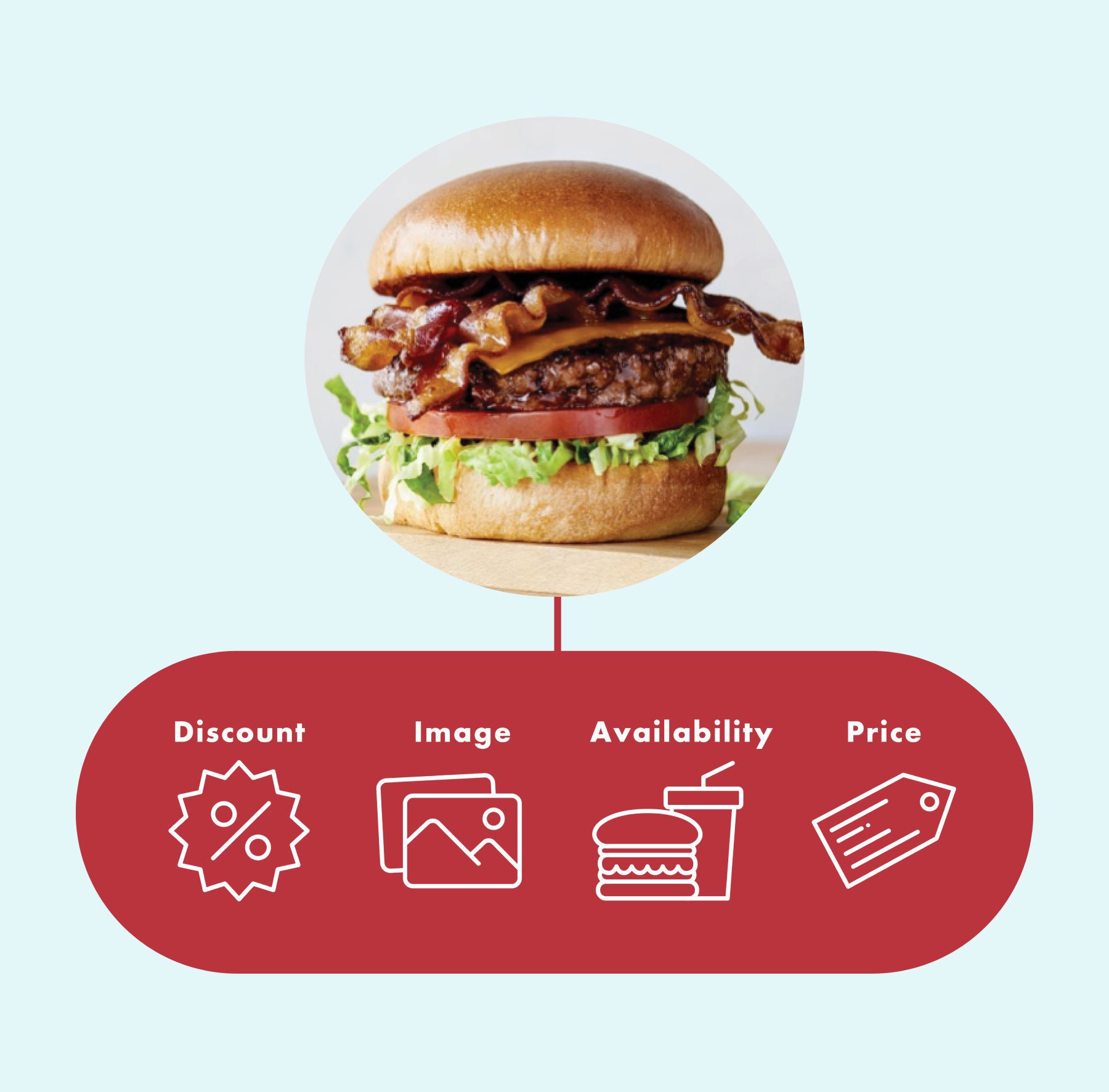
Qu’s menu management system (Qu-1MENU) and platform architecture ensures transactions are processed the same way across channels and changes are uniformly applied through one logic point, database, and engine. Updates to Qu-1MENU can be easily and holistically applied to other locations, menus, and brands as directed by the user.
4. Adjust the Temperature to Sizzling, with One Powerful & Dynamic Management Hub
Now that you have the essential ingredients to run your business effectively, it’s time to cook up a connected brand by setting the temperature to sizzling with a powerful and dynamic enterprise management hub. You can manage all of your POS configurations and reports from one central control center on Qu’s Enterprise Management Hub.
Our enterprise management hub is different because it provides the unique features called Dynamic Items and Dynamic Stores.
Dynamic Items give operators the freedom to customize items, layer multiple dimensions and add attributes based on context—all without ever changing the master item. Operators can configure every menu item to have unlimited dynamic contexts, including day parts, order channels, branded imagery, pricing and promotions, and more.
Dynamic Stores provide more granular control and data governance. This is an especially useful feature for large brands with franchisees. The dynamic store groups enable data inheritance and tagging across categories. Operators get endless flexibility, with six ways to configure store groups:
By menu
Store location
Employees
Tax groups
Discounts
Service charges.
5. Now You’re Ready to Enjoy Delicious & Dynamic Data
Now that you’ve held your POS partner to all of the above, you’re here. You’ve made it to the promised land and you finally have a single source of truth. Decisions previously made on “gut instinct” can be made using concrete information improving accuracy, accountability, and transparency.
It’s time to enjoy the delicious fruits of your labor with a single database that has all the information you need to make smart business decisions. Qu is paving a new way forward for enterprise restaurant operators to more easily unify data across ordering, production, and brand functions. With Qu’s unified POS platform, your data is easily accessed, analyzed, and turned into actionable insights.
To POS & Beyond
As an operator, it’s time to hold your POS partners accountable to deliver products that help you with today and tomorrow’s needs. For too long, brands and their franchisees have thought of their POS as a necessary evil—necessary sure, but evil it should never be!
At Qu, we’re building a future where restaurant chain operators have the freedom and control to build their brands how they see fit.
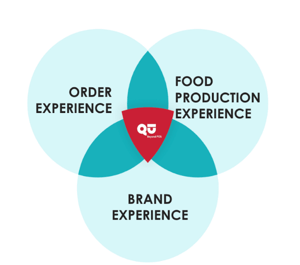
Delivering an exceptional guest experience starts with understanding that there’s a deep interplay between food ordering, food quality, and brand engagement.
Enterprise restaurants that are able to unify these often-disparate experiences are the ones who will win in an increasingly fragmented digital future. We know that as a POS provider, we aren’t the center of your business. We recognize and ensure that your brand and your guests are at the center of your world.
Fall
is here and you know what that means…time to change it yp! Yep, from
kitchenware to snack staples, and much in between, the fall season always
ushers in more than its fair share of get-worthy brands. Luckily for you I’ve
vetted many, with these 7 among my top-rated gifts and gets for the season.
Here’s
a great way to eat healthfully during a season notorious for heavy for
fattening foods. To maintain your nutrition regime, bite into Nirvana Bars.
Developed by Nedda–a doctor who specializes in pain management—and her sister
Nina, these 100 percent natural protein bars made in-California promote relief
from inflammation associated with exercise. They’re a great on-the-go snack
with 12 grams of protein, while also containing 20-plus functional ingredients
like tart cherries, turmeric, ginger and beetroot. On top of being gluten-free,
these tasty bars are nutritionally balanced.
“As a physician, I spent most of my life studying the body and ways to
treat pain,” Nina says on the company’s web site. “I’ve always aligned myself
with the adage of making food your medicine so medicine doesn’t become your
food–so I couldn’t wait to bring these bars to market. As sisters, Nirvana Bars
is our passion and providing clean functional food is our mission.”
Also promoting wellness through nutrition is Superfat nut butters, a company that believes in dispelling myths and optimizing nutrition based on science and results. Whether your diet is Keto, Paleo, Kosher, vegan, plant-based, vegetarian or a combination of any or all of these, there’s no denying that everyone needs fat in their diet. As an all-natural product, SuperFat is free of sugar or artificial sweeteners and refined of processed carbohydrates. Unlike other nut butters out there that are often loaded with filler, palm oil, sugar or low-quality cheap nuts, SuperFat offers quality fats, convenient packaging and delicious flavors combined with functional ingredients. The various options feature a unique blend of nuts like macadamia, almonds and coconut combined with functional ingredients like probiotics, cacao and coffee. There are five great flavors: Cacao Coconut, MCT plus Probiotic, Nitro plus MCT, Protein, and Original. SuperFat is great for athletes, pregnant or breast feeding moms, or dieters wanting lose a few pounds and feel better. The key to SuperFat’s superior taste is in the quality, non-GMO ingredients and lack of fillers. They’ve created a better nut butter with real ingredients that taste great and offer an outstanding fuel source for whatever your day brings.
Earlier
this month Veggies Made Great showcased five new and
exciting products at Natural Products Expo East held in Baltimore, Maryland.
The recipient of numerous awards, such as Cooking
Light’s “The Healthiest Frozen Foods in the Supermarket” and Parents magazine’s “25 Best Frozen Food
for Families,” Veggies Made Great continues to pave the way forward as a leader
in unique, tasty and convenient veggie-rich foods. At the expo, the company
spotlighted all five of the below newly-added options that, as with all Veggies
Made Great products, vegetables are the first and primary ingredient: Butternut
Squash Veggie Cake, Broccoli Cheddar Veggie Cake, Mushroom & 3 Cheese Egg
White Frittata, Spinach Egg White Frittata, and its Veggie Bacon & Potato Frittata.
We live in very interesting times when it comes to processed foods. What is
deemed healthy has been a moving target for many decades—a phenomenon that has
caused confusion among consumers by the ever-evolving messages about healthy
eating. However, throughout all this evolution, one health message has never
changed: “EAT YOUR VEGETABLES!” It’s apparent that Veggies Made Great is
perfectly positioned to deliver on this message through their well-conceived
line of products—both old and new. Luckily you need not have been an attendee
at Natural Products Expo East to experience Veggies Made Great in all of its
delicious iterations. Rather, simply head to the frozen section at your local
retailer. Eating–and snacking–healthfully has never been so easy.
Attention all lemon-lovers. Just because summer is over doesn’t mean it’s time to go sour on this highly versatile and healthy citrus. In fact, consuming lemons proffers a wide array of wellness benefits, which is why Limoneira.com has launched its new “Take a Heathy Stand” awareness campaign.According to a spokesperson from Limoneira—an organization dedicated to preserving and promoting benefit, tradition, heritage and legacy of lemon agriculture, their “Take a Heathy Stand” initiative is intended to showcase the many ways that lemons can play a key role in helping the body fight serious health issues. This can even include heart disease, high blood pressure, autoimmune diseases and even cancer. On the lighter side, lemons can also help provide relief and promote healing for an array of other annoying afflictions like bug bites, cold sores/fever blisters, gingivitis, itchy skin, sore throat and more. Of course, one need not be a Michelin-starred chef to know that lemons are also one of the most versatile items in the grocery’s produce aisle. Whether opting for Limoneira’s Pink lemons, Meyer lemons or Classic lemons—or all of the above—there’s a treasure trove of tasty ways for utilizing this edible yellow gold. In fact, one glance at Limoneira’s online recipe section and you’ll find abundant inspiration for savory and sweet dishes. Want to make the perfect Garlic Lemon Shrimp, Lemon-Thyme Bruschetta or Sour Cream Lemon Pie? They have you covered…and will help you expand your recipe repertoire lickety split.
Even though summer is over, the refreshing taste of lemons can still grace your palate thanks to Lorina—an all-natural French, USDA organic sparkling lemonade made with premium best ingredients. Founded in France way back in 1895, Lorina is rooted in French history and is artisan-crafted using a time-honored secret family recipe. It is made with 100 percent natural ingredients like real organic cane sugar, and is entirely free of artificial flavors, preservatives and caffeine. There’s also a new formula made with 20 percent less sugar than the original. The crisp sip of Lorina is available in five refreshing flavors: Lemonade, Pink Lemonade, Blood Orange, Lavender and Grapefruit. So if you’re winding down with refreshment or entertaining a group of family and friends, this beverage is certain to satisfy. You can find it at various retailers nationwide.
Offering
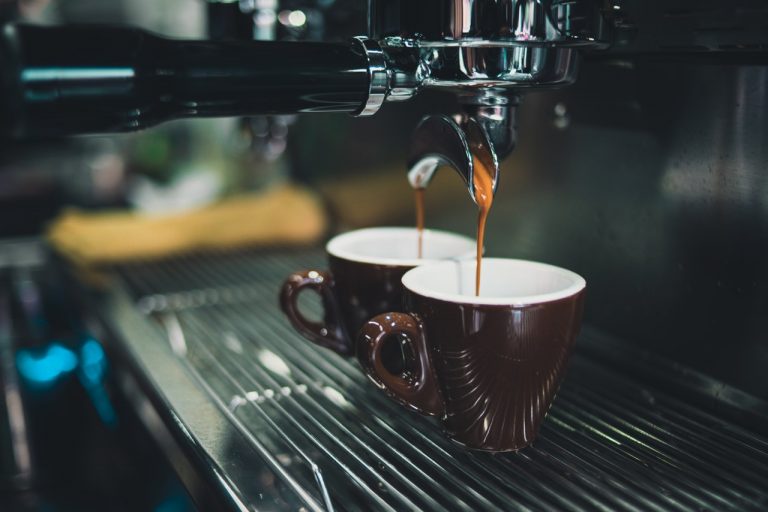
a new twist on cappuccino, Jura’s D6 automatic coffee machine easily prepares
coffee classics. With the plain text display and ergonomically optimized
switch, operation is easy and intuitive. Programming and maintenance are also
self-explanatory. A series of advanced
innovations results in six specialty coffees prepared to professional barista
standard, with the system topping off beverages like cappuccino with temptingly
fine, light-as-air milk foam. Its AromaG2 grinder features a perfected cutting
angle and preserves the full aroma of the beans when freshly grinding them to
the ideal fineness. A Pulse Extraction Process optimizes the extraction time to
bring out the full bouquet of the coffee aromas. It also uses CLEARYL water
filters to supply perfect water quality for the best possible flavor. They also
protect the coffee machine against limescale and remove substances that could
impair flavor and aroma (such as heavy metals or chlorine) from the water. To
make maximum use of the filter and its capacity, JURA developed the Intelligent
Water System. The filter cartridge and coffee machine are wirelessly linked by
RFID technology. The filter is detected automatically, so using the filter has
never been easier or more reliable. To enhance the JURA experience, this
marvelous machine can be used with JURA’s Smart Connect device (sold
separately) with Bluetooth communication, making it compatible with JURA’s app:
J.O.E. 2.0 (JURA Operating Experience). J.O.E. allows the user to easily
operate the machine from a smartphone or tablet.
Linkind Aroma Coffee
Maker (www.AromaLinkind.com)
If a pour-over coffee maker is more your thing, check
out the Aroma Coffee Maker by Linkind—one of the most convenient, portable,
durable and precise pour-overs of its kind that helps simplify your routine.
Its precise timing water-to-coffee ratio delivers impressive consistency and
handcrafted flavor all with the simple touch of a button. It’s compact and has
an aesthetically pleasing design, and the reusable extra fine mesh filter and
food-grade certified materials help deliver top-quality for every pour. With
the Aroma Coffee Maker by Linkind, you can be your own barista and enjoy a cup
of fresh and delicious coffee without having to wait in the long lines and deal
with the hassle of going out for something as easy as a cup of Joe.
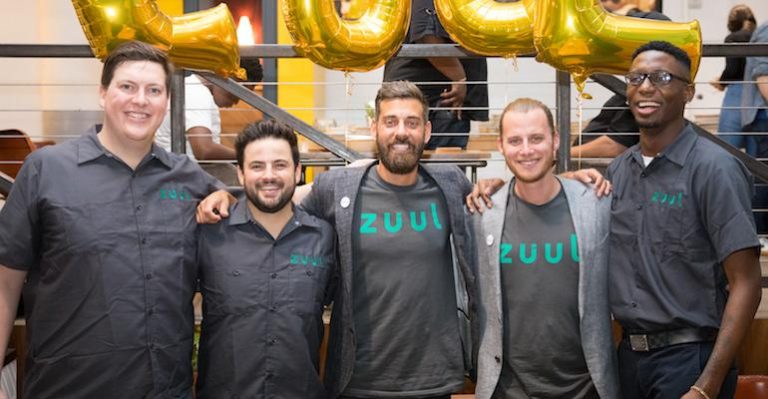
Next week the fresh Zuul-kitchens will be launched as a fantastic kitchen for the increasing amount of dining establishments seeking room for company supply only in New York City.
Zuul, listed in Ghostbusters for the fridge fantasies, has been joined to an extremely busy arena by phantom or simulated suppliers in the toilets–but some tend to call them ‘ black rooms’ or even’ enlightened rooms.’ It is a kind of space for restaurants to expand their scope of delivery or perhaps test new brands only for delivery. In addition to the Asian Junzi Concept, the Sarge Concept, the quick-casual Lebanese idea Naya and the Stone Bridge Pizza & Salad idea, and the box idea, the Zuul Positive food, will provide shipping points for the Sweet Green Cable Chain.
For instance. Corey Manicone, Zuul co-founder and CEO said: “The restaurant infrastructure was never built with the intention of offering off – the-shelf food. We have very carefully constructed a plant for optimized supply. “Zuul combines a number of already developed ideas for phantom kitchens, including, for instance, Pasadena-based Kitchen United, that has two operating locations (Pasadena and Chicago) as well as 13 other sites. In Scottsdale, Arizona, and Austin, Texas, the next Kitchen United will likely be opened and a total of eight of them are expected to be open by the end of the year.
There is at least one site in Cloud Kitchens which was supposedly established by former CEO Travis Kalanick in Los Angeles, but there are no internet places and no media request officers have replied.
The increasing family style from Los Angeles was established with restaurateur Steve Goldberg by the music director Lawrence Vavra. Start-up in March 2017, Drew Padnick, the Chief Business Officer for Family Style has 20 offices in three countries (California, Nevada, and Illinois) with three more in production. Family Style deals specifically in pizza-only delivery products, but will quickly migrate into other sections. A south fried chicken product is new to the community, and for instance, the Santa Fe Hot Chicken idea will be launched next month.
“Pizza has become omnipresent and has been honestly optimized for the globe of supply. This was a very logical starting point, “Padnick said. Family Style does not, however, differ in that it creates its own delivery-only products or does alliances with hotels and does not lease room to external brick and mortar providers. “I do not note that it’s lovely and has many types to innovate from,” he says. Lorenzo’s, New York’s, Froman’s Deep Dish Pizza, and Pizzaoki’s are now being supplied from these locations— the latter a notion developed by DJ Steve Aoki, who is also the daughter of Benihana’s ceo Rocky Aoki.
In the meantime, Zuul is the first ghost cuisine in New York City in this fresh school. The firm took over the temporary construction of the now defunct Maple explorer.
In an appointment with Restaurant Hospitality Manicone said that the first place will be 80 percent of the refrigerator and 20 percent of the shipping couriers will be accepted at the dispatch centre. For instance, toilets, coffee, tea, food and telephone loading will be available.
The installation will be aimed at bike couriers, the vast majority of which are in the city of New York. Zuul will take advantage of leading third-party competitors in meal transport, including Grubhub / Seamless, Uber Eats and DoorDash.
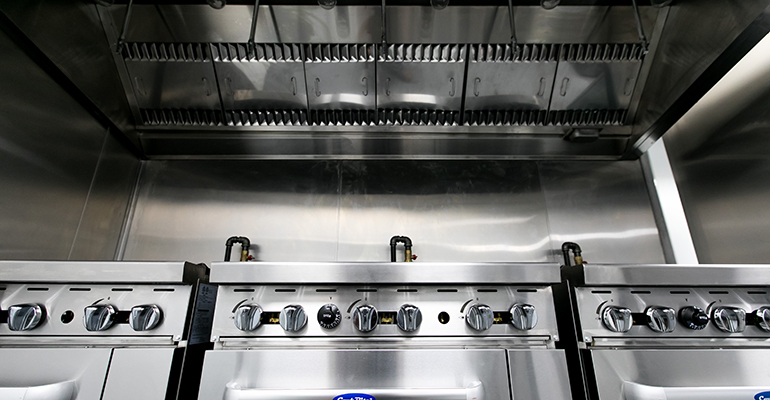
Nine cooks are optimized for fast transportation within Lower Manhattan in this 5,000-square-foot plant. Manicone refused to provide specifics on costs to establishments except to mention that it would be considerably lower price than entering a brick-and-mortar place. Manicone has also rejected the expense of hotels to provide the necessary information on their price.
To multiply, Zuul has been intended. Manicone said the firm is referring to other New York sites that continue to be the focal point — for now — for domestic shipment as No. 1. Other characteristics in future places may include a consumer pickup choice.
Manicone said he doesn’t care about rivalry given the increasing requirement for equipment capable of helping hotels expand their off-site company. “This is an unbelievably big industry we are following. Many losers have space, businesses don’t succeed in rivalry at the beginning of the day. Because they have not executed, they die.”
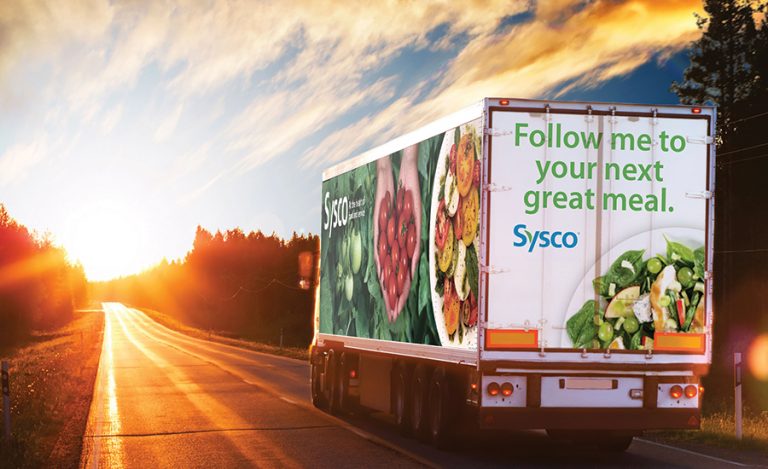
Sysco’s Greg Bertrand saw something he must have simply discovered tempting nine miles down the highway. The purchase of J was announced last month by the biggest world food services distributor. The New York broadline distributor Kings Food Service Professionals has estimated revenues of approx. $150 million.
J. Kings Food Service is located nine milles from Sysco-Long
Island home, in central Islip, NY, in Holtsville, New York. John King was
established more than 45 years ago as a renowned distributor.
Today, the firm has also become one of New York’s major autonomous
broadband retailers and serves clients in Connecticut and New Jersey. The bulk
of clients of the business are freelance dining providers, but it also provides
corporate, commercial and multi-unit clients.
“ J. Kings is a renowned New York distributor of broadband and we are delighted to introduce them into the Sysco business community”said Greg.
One of the issues for industrial experts is how Sysco is
competing / coexisting with J for its New Jersey service serving an amount of
Manhattan and City reports. Kings. Kings. Kings. He launched a New York City
department in 2011, and created a flourishing company library.
Since 1974, J. Parker SmogHog 2019 728 to 90 By responding to their requirements and developing distinctive alternatives to assist construct their companies, Kings has constantly expanded to satisfy their clients ‘ requirements.
“Indeed, we are separated from our competing players by our business building capacities,” John King clarified. “Nobody can supply food. But not everyone could provide your company with thoughts that assist you to develop beyond your wildest dream.” There is a continued expansion into the societies it provides on Kings’ achievement formula.
In 2017 John King donated the Island Harvest Food Bank with a storage space of 20,000 square foot in Calverton. The 20-year, costless rental of storage facilities has facilitated food collection and distribution for those in need on the eastern end of Long Island (in particular, fresh fruit and vegetables donated by the local farm community). In Eastern Suffolk County, the warehouse was also used as a disaster relief distribution point since Island Harvest Food Bank is a leading agency for emergency preparedness to distribute food and product. In 2012, Sysco Long Island launched a fresh state-of – the-art delivery facility with a capacity of 420,000 square metres. It lasted 14 months to finish a 92 million dollar plant in Central Islip, replacing a much lower delivery centre. Sysco has offices in Jersey City, New York Up, and Rocky Hill, CT, which have been involved in the distribution of the center before it opened. The plant distributed in Suffolk, Nassau, Queens and King’s counties at restaurants, clinics, colleges, hotels and other food agencies.
Sysco is a world leader in supplying food products to restaurants, education and social services, houses and other clients that buy meals out from their homes. Her product group also involves food and hospitality facilities and supplies. The Company works globally, with more than 69,000 staff and more than 650,000 customers in around 332 production centers. The business produced revenues of over $60 billion for fiscal 2019 which finished on 29 June 2019.
From letting into one’s house supply shipping, to stocking your cooking place, to ordering list of things, to handing your guests food, to having effect your guests “Have a pleasing, good, delicate day, see you next time!” as they walk out the door, your working group is truly the heart-rhythm of your store for taking food operations. The working group in your store for taking food are so important. Each person in each position needs to be the very most good, the thick part of milk of the years produce, the diamonds in the rough. A through much attention to detail selected and carefully managed group is one of the key factors in your store for taking food’s power to get on well.
Why place so much importance on your restaurant staff?
Unless you’re running a one-person show, you’re probably not the only one making food, giving it to customers, and cashing them out, while also covering managerial duties like inventory planning, reporting, and strategic management.
The fact is that every staff member, no matter what their position, contributes in some way to the overall guest experience.
Consider these statistics about how one bad guest experience can impact your restaurant’s reputation:
For each complaint brought to your attention, there are 26 other unsatisfied customers who do not bring the issue up.
Unhappy or angry customers will tell anywhere between 9 and 20 people about their negative experience.
Conversely, customers who leave with a positive experience will only tell between 4 and 6 people about their experience.
Clearly, the importance of your staff cannot be overstated. Let’s break down the impact your staff has on the guest experience:
Your Staff is an Embodiment of Your Restaurant
One great experience is enough to create a loyal customer, but one negative experience is more than enough to turn them away forever. In fact, it takes 12 positive experiences to amend one bad customer experience. A bad experience could come from a poorly-made dish by an unmotivated chef, a short-tempered remark by an impolite server, or even from an insincere greeting by your host or hostess the second your guests walk through the door. These experiences reflect poorly on your restaurant and can be avoided with smarter hiring and staff management.
Your Staff is an Extension of Yourself
Every staff member brought onto your team reflects the core values that you have established for your restaurant. As a restaurant owner, you should be play a role in the training of every single person hired, since they will serve always as an extension of your values.
Your Staff is Your Biggest Investment
Have you ever hired employees, spent weeks (or even months) training them, and then saw them leave without learning a thing? You probably know that this wasted investment goes beyond wages.
At that point, you probably wished you could have saved all of the time and the money it took to train them. Finding, hiring, and training an employee can cost up to 20% of their annual salary and take hours of your time. Putting in the resources to hire the best and properly train and motivate your staff will save you more than just money in the long run.
Finding, hiring, and training an employee can cost up to 20% of their annual salary and take hours of your time
Your Staff Plays a Role in the Big Picture
If one staff member messes up or starts slacking, the balance of your operations could be thrown off for the entire shift.
Your staff is like an intricate puzzle, and one missing piece could lead to a holdup in the kitchen, long waits for customers, and a frustrated team. This means you’re left with dissatisfied guests, unhappy staff, and ultimately high turnover. Oftentimes, this can all be traced to one bad apple in the bunch.
About SENTIO
SENTIO based in Charleston SC and provide pre-hire assessments to small businesses and franchises. The purpose of SENTIO business is to help people hire better matches for their company and ultimately reduce employee turnover and improve employee engagement.
The name SENTIO was chosen because it means to understand or feel and that’s just what we do. They understand people, cultures, and people-business fit is what we do. Through the use of AI and psycho-linguistics, they break down the human language to understand the mental makeup of a person. Then, they understand how they compare to others at a company. Then, they are able to understand through a Match Score if they will be a good fit.
They are able to help people make better hires with our Applicant Matching System, which includes a simple, 3 question, pre-hire assessment. It is backed by Artificial Intelligence to create a Success Profile based on their best employees and matches all applicants against them to see who is a great fit for your business.
The factor that makes them unique is their combined use of AI and Psycholinguistics. Plus, they offer pricing catered to the restaurant space. At only $99/month for unlimited usage, their assessments are affordable for all.
What’s interesting about the restaurant space is that it’s adapting to technology so quickly. From integrations with delivery services to mobile POS systems, the industry recognizes how technology can help. The adaptations already have paved the way for the use of technology in the hiring process, like with our assessments that are powered by AI.
One example of a customer testimonial of their’s is Hall’s Management group, which is a famous restaurant here in Charleston. In fact, the Director of Human Resources at a local Hospitality Group said the following, The reports have been impressive and useful. It has saved them from extra interviews and bad hires. One example they always use is the time they had a great phone interview with a Manager candidate. SENTIO scored this person as red, meaning they were a poor fit, but they went ahead and invited them to their offices in Charleston for an in-person interview anyway because they had all the qualifications. It took about 5 minutes for them to figure out that the person was a bad fit for the job. With SENTIO, they now only interview and hire people that have the core values, strengths, and needs of our top performers.
With the restaurant industry facing an average of 70% employee turnover, utilizing SENTIO to make the right hires the first time around is essential for every restaurant. Built exclusively for restaurants, SENTIO’s hiring tool provides hiring managers and owners with a Match Score on every job applicant based on how they compare to your current best restaurant staff members – all before you even review a resume. This means less time spent on screening and interviews, more reliable and engaged employees, and reduced turnover.
Request to Download our E-book to learn more details;
Hairstyles in the workplace are getting renewed attention, and restaurant grooming policies are going to come under increased scrutiny as new natural-hair discrimination laws go into effect, an employment lawyer warns.
“Hair can be a proxy for discrimination, especially if it’s natural hair like dreadlocks, Afros, cornrows,” said Alicia Sienne Voltmer, an employment lawyer with Greenberg Traurig LLP firm, during a presentation at the Self Opportunity-sponsored Meeting of the Minds gathering of restaurant human relations and recruiting professionals in Dallas.
While Equal Employment Opportunity Commission guidelines have barred discrimination based on faith-based hairstyles, several jurisdictions are tightening laws around “natural hair discrimination.”
New York State’s new law, which is scheduled to go into effect Oct. 8, also outlines rules on natural hair, beards and religious garb. A new California natural hair discrimination law becomes effective Jan. 1, 2020. New Jersey has a hair law pending, and a bill was introduced in the Wisconsin legislature in August. New York City has a hair discrimination law on the books already.
“You cannot discriminate against anybody because of their natural hairstyle or texture,” Voltmer advised during Wednesday’s presentation, adding that some of the new laws address protections for facial hair and religious garb.
“For example, in New York after Oct. 8, you cannot require an employee to put any kind of employer logo on their religious garb if they wear it to work,” Voltmer said. “That’s a pretty big deal. If you have a button or a something that you require as part of your uniform that has your logo on it. If they say they are wearing a dashiki or a burka or something religious, you cannot make them wear that logo. That’s pretty expansive.”
“For much of our nation’s history, people of color — particularly women — have been marginalized and discriminated against simply because of their hairstyle or texture. By signing this bill into law, we are taking an important step toward correcting that history and ensuring people of color are protected from all forms of discrimination.”
The New York law, S.6209A/A.7797A, amended the state’s Human Rights Law and Dignity for All Students Act to make clear that discrimination based on race included hairstyles or traits associated with race.
Voltmer said that while EEOC guidance has addressed hair for many years, “Anecdotally, I have heard people say they have been discriminated against because of their hairstyle. I’m sure it does happen.”
Restaurant human resources and recruiting professions need to be aware of the new rules for daily operations as well as for training materials.
“Another thing that you need to worry about and think about,” Voltmer said, “is what your policies say. … What if you have a policy that says your hair must be a certain length? That could be a violation of these laws.”
When tension develops between health department food safety rules and discrimination laws, the health rules general will trump any others, Voltmer noted.
“If a health code requires a hairnet or beard net, you can enforce that. … You are required to enforce those health and safety standards,” she said.
Many of the new state laws followed the viral exposure in December 2018 of a New Jersey referee who forced a high-school wrestler to cut his dreadlocks right before a match.
The New York City Human Rights policy outlines examples of grooming policy violations.
Examples cited in the New York City guidance include:
– A grooming policy that prohibits twists, dreadlocks, braids, cornrows, Afros, Bantu knots or fades that “are commonly associated with black people.”
– A grooming policy requiring employees to alter the state of their hair to conform to the company’s appearance standards, including having to straighten or relax the hair with chemicals or heat.
– A grooming policy banning hair that extends a certain number of inches from the scalp, thereby limiting Afros.
– Discrimination can also come in the form of facially neutral grooming policies related to characteristics that may not necessarily be associated with a protected class but that are discriminatorily applied.
“Where an employer does have a legitimate health or safety concern, it must consider alternative ways to meet that concern prior to imposing a ban or restriction on employees’ hairstyles,” the New York City legal guidance advises. “There exist a number of options that may address such concerns related to hair, including the use of hair ties, hairnets, head coverings, as well as alternative safety equipment that can accommodate various hair textures and hairstyles.”
Fans cry foul as delivery orders arrive with no exclusive merchandise
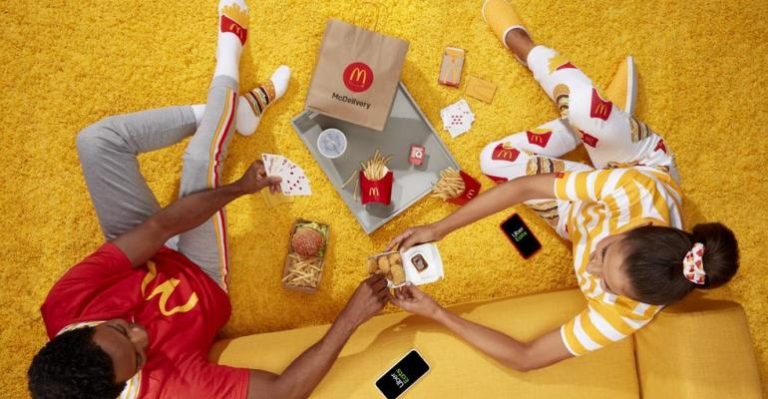
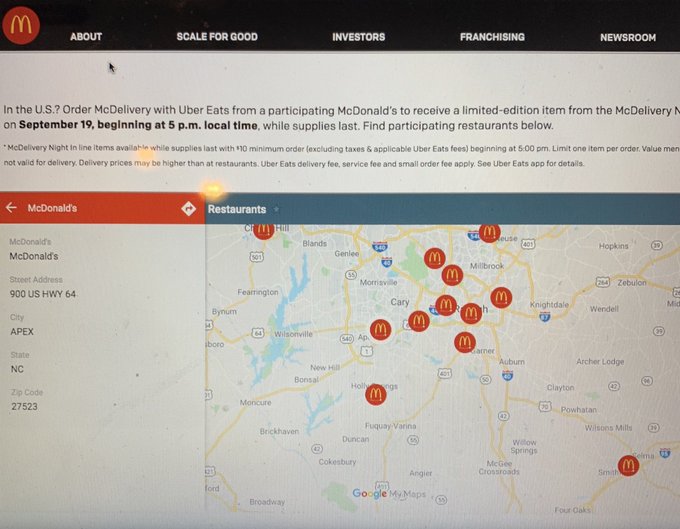
McDonald’s billed its third annual McDelivery Day as “A Night In to Remember” as fans were encouraged to relax at home and order at least $10 worth food in exchange for free exclusive brand merchandise.
But many consumers were raging instead of relaxing Thursday night.
Customers took to Twitter to protest the late-night event, saying they were duped into ordering a minimum of $10 worth of food at participating restaurants only to get no merchandise when their meal arrived. At issue for many was transparency. When ordering, the Uber Eats app indicated that a “McDelivery Night In Collection” item was still available to add to their cart for free.
If supplies were gone, there was no message to state merchandise had sold out once the Collection item was added to their basket order.
“That awkward moment where you participate in the McDelivery Night In collection promotion and you get ZERO merch, AND everyone in the store acts like you cray,” one person posted.
@McDonalds That awkward moment where you participate in the McDelivery Night In collection promotion and you get ZERO merch, AND everyone in the store acts like you cray #McDeliveryNightIn#scam@UberEats
Another said: “I ordered #McDeliveryNightIn from @McDonalds through @UberEats and they didn’t give me my item!! I’m so so so disappointed and upset. That’s the only reason I ordered.”
Another user pointed out, “Really upset about #McDeliveryNightIn #McDelivery my food was completely wrong and I didnt get of the merch. Why would I spend that much money for food I dont want to not even get a pair or socks or a scrunchie?? #ubereats failed me tonight”
The free line of merchandise, available for one night, included a World Famous Fries T-shirt, three different types of socks, a deck of cards, plush slippers with a sesame seed bun print and a pack of French-fry branded scrunchies.
Each $10 minimum order would come with a random item that customers added to their Uber Eats shopping cart. It would be like a Happy Meal-style toy surprise.
Some consumers said they later found swag like the McDonald’s-themed scrunchies being sold at a high mark up on Ebay.
#McDeliveryNightIn was a big L. I was told that drivers and workers were stealing merch just to sell it on eBay. Anyways, I copped the scrunchies for $20 so it’s whatever I guess. Still pissed. We love Greenville #McDelivery#ubereats
McDonald’s Corp., who said merchandise would be available from participating global restaurants while supplies last, did not return a request for comment. Uber Eats also did not return a request for comment.
The Twitter account for Uber Eats Support responded to one person’s complaint by stating: “Our team is currently reviewing and will be in touch shortly via email. We appreciate your patience while we look into this.”
Americans talk about work-life balance in Europe the way some people talk about what it would be like to win the lottery. It would be nice to have 35-hour workweeks like the French, August vacation like the British and the Italians, and real quality of life as in most parts of Scandinavia, but that could never happen. Not here.
When chef Flynn McGarry temporarily closed his restaurant, Gem, in June he felt similarly. “I hadn’t left New York for more than two days in almost three years,” says the 20-year-old chef. “And I had reached this point where I was having the equivalent of writer’s block.” McGarry and the restaurant’s staff had fallen into something of a routine, which is good for business, but, McGarry thinks, bad for creative growth.
“The best way to push the restaurant forward and adapt was to actually take some time off and be able to get some perspective and think about what I want out of the restaurant,” McGarry explains. “It’s very hard to implement change when you have service five nights a week.”
So on June 26, McGarry closed the tasting-menu restaurant and set off on a journey that reads like a Travel & Leisure feature. New York to Los Angeles to Barcelona to Belgium to Copenhagen to Paris to London to Copenhagen to Martha’s Vineyard and back to New York, with stints cooking at Carousel and Geranium along the way.
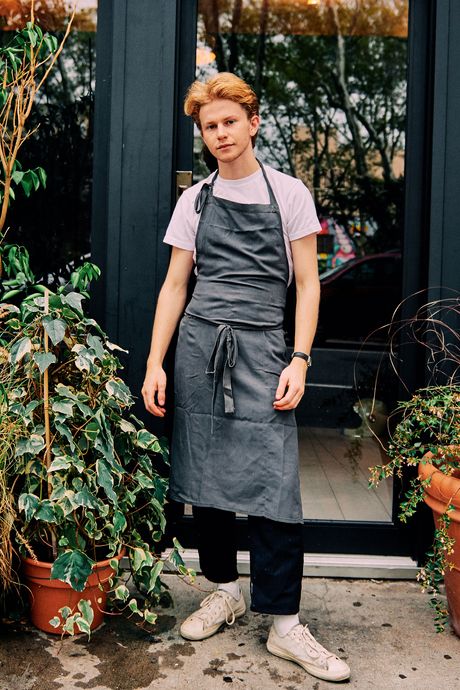
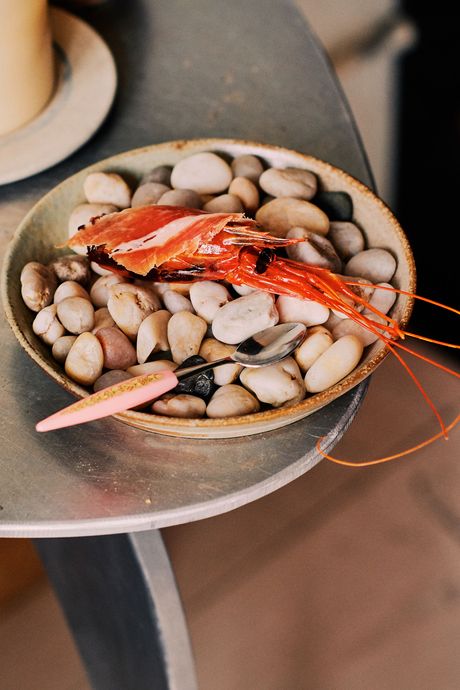
McGarry outside Gem (right) and a new Spanish prawn-and-ham dish inspired by simple meals the chef enjoyed in Barcelona. Christian Rodriguez.
It was a vacation, yes, but it also fundamentally changed parts of how McGarry plans to run Gem from now on. For one, the restaurant will only be open four days a week (Wednesday through Saturday), a move inspired by Denmark’s Geranium. (Accordingly, the price of dinner is now $200, up from $155.) The chef is also leaning more heavily on what’s simple and comforting as opposed to the “technique heavy” fare that led so many publications to call Gem “ambitious,” “nuanced,” and “lyrical.” A dish featuring Spanish prawns and ham and another with pickled mackerel, fresh cheese, and pickled young ginger were inspired by the unfussy meals he had in Barcelona between siestas.
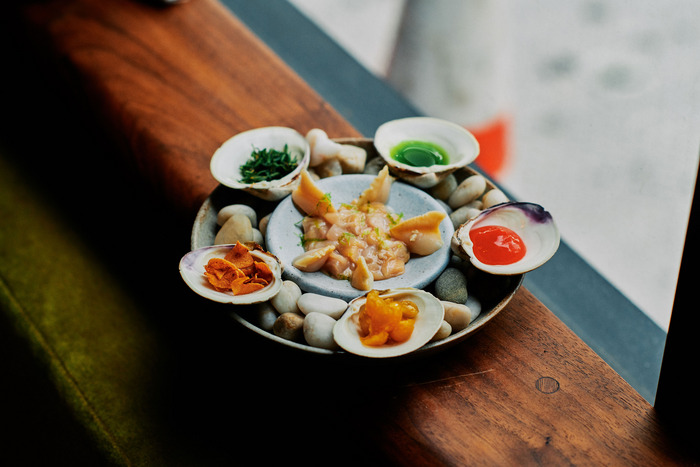
McGarry will also lean more heavily on seafood, which he believes is one of the Northeast’s greatest assets. “We’re getting fish coming in that still haven’t gone into rigor mortis,” he says, referencing a new grilled albacore dish featuring a tomatillo-spiced bagna càuda and clam tartare with three types of clams and five different toppings presented in shell halves. Overall, McGarry says he will stick to putting out 12 to 13 dishes per tasting versus the backbreaking 16 dishes he was serving before.
But more than anything, McGarry believes this version of Gem will represent how restaurants should be run. “I think when you come and eat now versus before, the experience will be more genuine,” he says, adding that for the first time he’ll actually be able to tell guests where the inspiration for each dish came from. “There won’t be any clouds of what I think people want from me or what I think New York wants. It’s now just what we want to do, what I want to do.”
In today’s profoundly connected world, mobile app users have become increasingly sophisticated. Digital integration has resulted in higher levels of consumer expectation, and customers expect more from brands than ever before.
One of the major challenges brands face is increasing customer aversion to one-size-fits-all digital marketing outreach. There’s building resistance towards generic marketing campaigns: 76% of consumers expect companies to understand their needs and expectations, especially when it comes to digital advertising. If consumers allow brands access to their personal data, they demand a personalized app experience in return.
Here’s a basic scenario we see all too often: a media app notifies all users at 7PM local time that their new favorite series is available to stream. For some users, that’s a good time to receive the alert. They have a predictable routine, and the reminder is timely and useful. But for others, their schedule, like their consumer viewing habits, is not as predictable. Some users may still be at work or at an after-work commitment. For these users, receiving the alert at the same time each and every day feels spammy at best; irritating at worse. Once users reach the stage of annoyance, they’re likely to disable push notifications altogether, eliminating the brand’s ability to engage with them.
According to a joint study by Goldsmiths University and Adobe, 75% of marketing leaders admit to not understanding changing consumer behavior – inevitably impacting their business performance. Location context analytics may be the piece these marketing leaders are missing.
If you’re that media streaming company, conventional wisdom suggests your audience is most likely to watch your content when they get home. Tailoring the timing of your messaging using location data is an added bonus. But what else can location-based marketing do?
In this day and age, brands must begin to understand how users are seeking to experience their product or service in order to effectively communicate with them and drive sales. Where are customers when they open your app? Where is a customer when they place an order? Which brick-and-mortar locations do your customers frequent? How do a customer’s habits change in ways that impact push notifications and other communications?
When a consumer has opted to provide their data and real-time location information, brands need to think about all the ways they can use this data to make the customer experience more personalized and relevant.
Delivering contextually-relevant communication
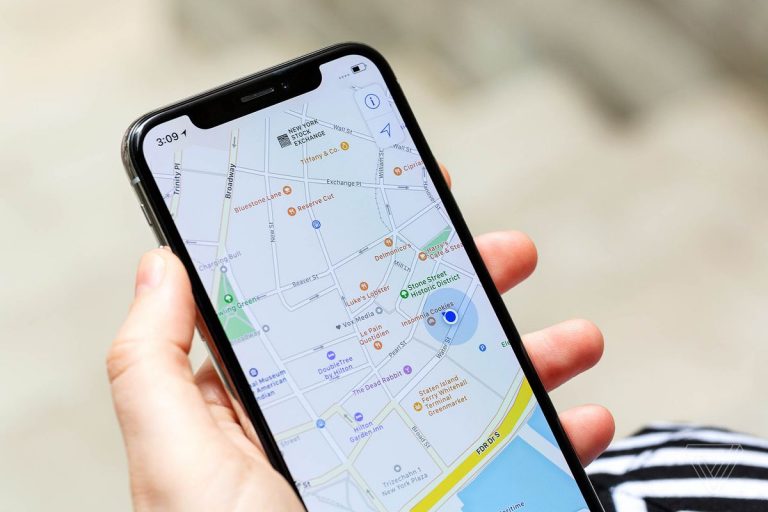
Let’s say you’re an online retailer, and you’d like to learn where users are when they place an order. Are they home, are they at work, or are they at a brick-and-mortar store? Using location context, you’re able to recognize that a significant portion of customers place orders for your product when they’re inside big-box stores. That means a customer is likely to be using your app to price compare and complete the purchase on your app when they see your price is lower than the big-box store. That’s an incredibly valuable insight.
Armed with that data, you have a competitive edge and can send push notifications when users are actually inside big-box stores. This allows you to get in front of a customer’s decision-making process, reminding them to check their app and price-compare.
But even that ability is just scratching the surface. What if you took it a step further and offered an in-store barcode scanner to help users price compare even more readily? Combining geo-information with analytics and other customer data has opened the door to completely personalize a user’s in-app experience in a way that wasn’t possible before. All of these contextually-relevant micro-moments fundamentally transform the customer experience. Today, this might surprise and delight customers, but tomorrow, it will be the expected norm.
Location data as currency
Everything a brand does has the potential to impact its reputation and customer loyalty. A great customer experience is key to every company’s success. Brands that don’t adapt to providing tailored, relevant experiences will see a drop in customer engagement and satisfaction.
Location data is a currency, and to get users to trust your app and share their location, you have to earn it. At the end of the day, it’s about delivering value. What purpose does your location-specific feature serve? What does the customer gain by sharing their location with your company? Nobody declines a ride-sharing app permission to access their location, because only with location are they able to deliver an optimized user experience. Now more than ever before, it’s critical for modern brands to start thinking this way.